
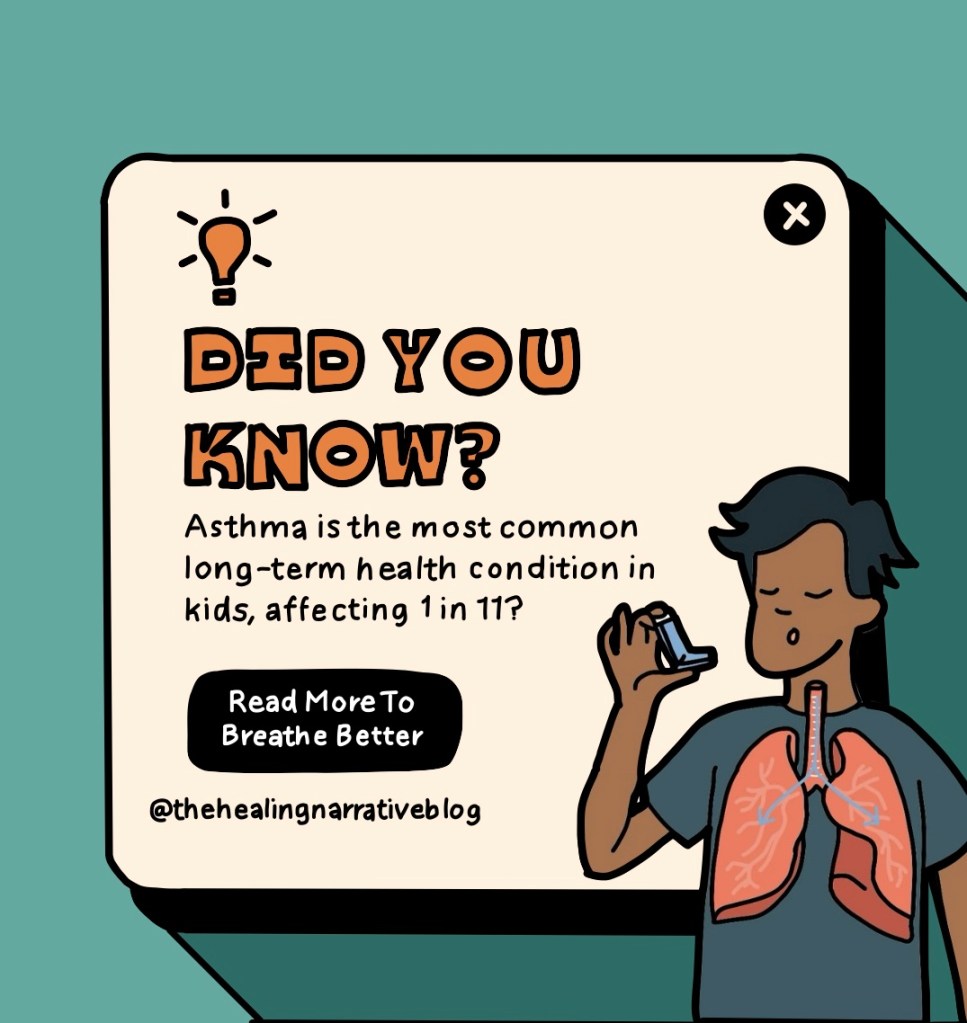
Asthma is a chronic (long-term) health condition that affects an estimated 262 million people worldwide. Within the UK alone it affects 6.5% of adults (4.3 million people) and is the most common long-term health condition in children, with 1 in 11 living with the diagnosis.
It affects the airways that carry air into and out of your lungs when you breathe, causing them to become irritated, inflamed, and narrowed. It is caused by the immune system “overreacting” to certain triggers such as:
- Exercise.
- Allergens (substances that trigger an allergic reaction) e.g., animal hair, pollen, smoke.
- Emotions.
- Medications e.g. Ibuprofen.
- Changes in weather (including thunderstorms!*).
*Interestingly, during thunderstorms, cold air (down-draft) falls to the ground and creates a strong wind across the earth’s surface, picking up pollen grains and fungal spores which can act as allergens and trigger symptoms.
Contents
- Why are prevalence rates increasing?
- What increases your risk?
- Asthma symptoms
- How do we diagnose asthma?
- Medical management of asthma
- How do I use my inhalers correctly?
- Trigger avoidance
- The green prescription
- The mind-body connection
- Asthma and Lung UK
Why Are Prevalence Rates Increasing?
The UK has one of the highest prevalence rates of asthma and allergy in the world.
The hygiene hypothesis suggests that the increasing prevalence of asthma in developed countries might be partly due to reduced exposure to diverse microorganisms in early childhood, due to increased cleanliness and reduced family size. This limited exposure may lead to an imbalanced immune system development, potentially increasing the risk of allergic conditions like asthma.
Emerging research is exploring the relationship between gut microbiota and asthma. So far, it is suggested that the composition of gut bacteria may influence immune responses in the lungs, opening up potential new avenues for asthma prevention and treatment.
What Increases Your Risk?
- Family history of asthma – if a parent has it, there is a 1 in 4 chance their child will have it too.
- Recurrent chest infections as a child.
- Atopy – a tendency to develop allergic diseases including asthma, allergic rhinitis (hayfever), eczema and allergic conjunctivitis.
- Air pollution, exposure to smoke.
- Occupation e.g., paint spraying, animal handling.
- Gender at birth.
- Being male as a child increasing the risk.
- Being female is a risk factor for asthma persisting into adulthood.
- Obesity.
- Social deprivation and health inequalities – rates can be up to 36% higher in the most deprived communities than in the least deprived.
- Being born prematurely and low birth weight.
Asthma Symptoms
The most common symptoms are:
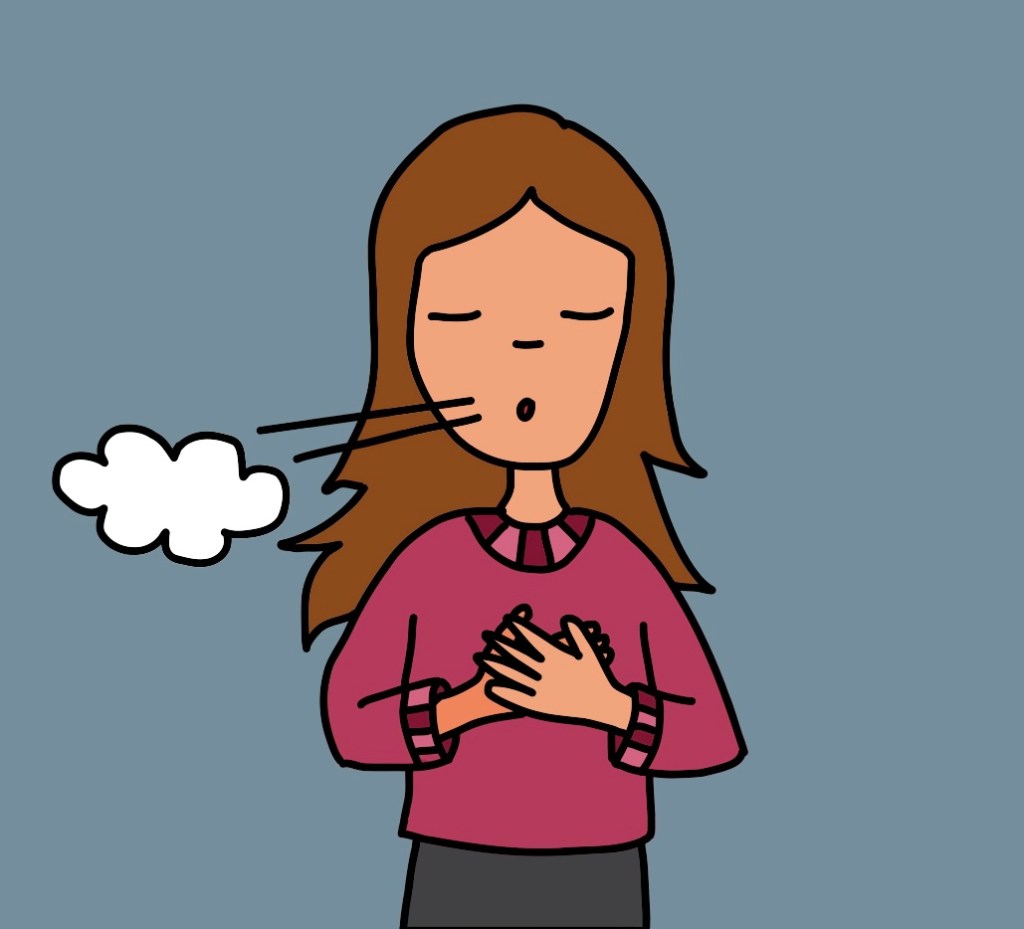
- A dry cough.
- Wheeze – a noisy whistling/rattling sound when breathing that may be audible or only heard through a stethoscope.
- Chest tightness.
- Shortness of breath.
Symptoms are often worse at night, a phenomenon termed “nocturnal asthma“. This can be attributed to various factors, including circadian changes in lung function, increased exposure to allergens in bedding, and the supine position affecting mucus clearance in the airways.
Your symptoms may suddenly get worse, known as an asthma attack. There are lots of different triggers, see above.
How Do We Diagnose Asthma?
Asthma often first manifests in childhood. In young children, diagnosis can be challenging as symptoms may mimic other conditions; if under the age of 5, diagnosis is made on clinical judgement alone. In children over 5 and adults, there are breathing tests to support diagnosis.
When asthma develops in adulthood, it often presents differently from childhood-onset asthma. Adult-onset asthma is more likely to be associated with other conditions such as obesity or occupational exposures.
The following tests are commonly used in diagnosis:
- Peak flow readings – a simple test that measures how quickly you can blow air out of your lungs.
- Spirometry – this is where you breathe into a device that measures airflow. Your breathing will be measured before and after using your inhaler, to see if you symptoms improve (reversibility testing).
- FeNO (Fractional exhaled Nitric Oxide) test – measures the level of Nitric oxide in your breath. The higher it is, the higher the inflammation in the lungs.
Treatment may be started whilst awaiting further tests.
Medical Management of Asthma
Almost everyone with asthma will be started on a preventer inhaler and a reliever inhaler.
Preventer inhalers are taken regularly, and help reduce inflammation and swelling in the airways. They are often known as “brown” inhalers due to their colour, and may contain:
- Corticosteroids e.g. Beclomethasone- man made versions of steroids that are produced naturally by the body, and are substances that have anti-inflammatory effects within the airways.
- Long-acting bronchodilator e.g. Salmeterol – relax the muscles surrounding the airways to help open them up.
- A combination of the above.
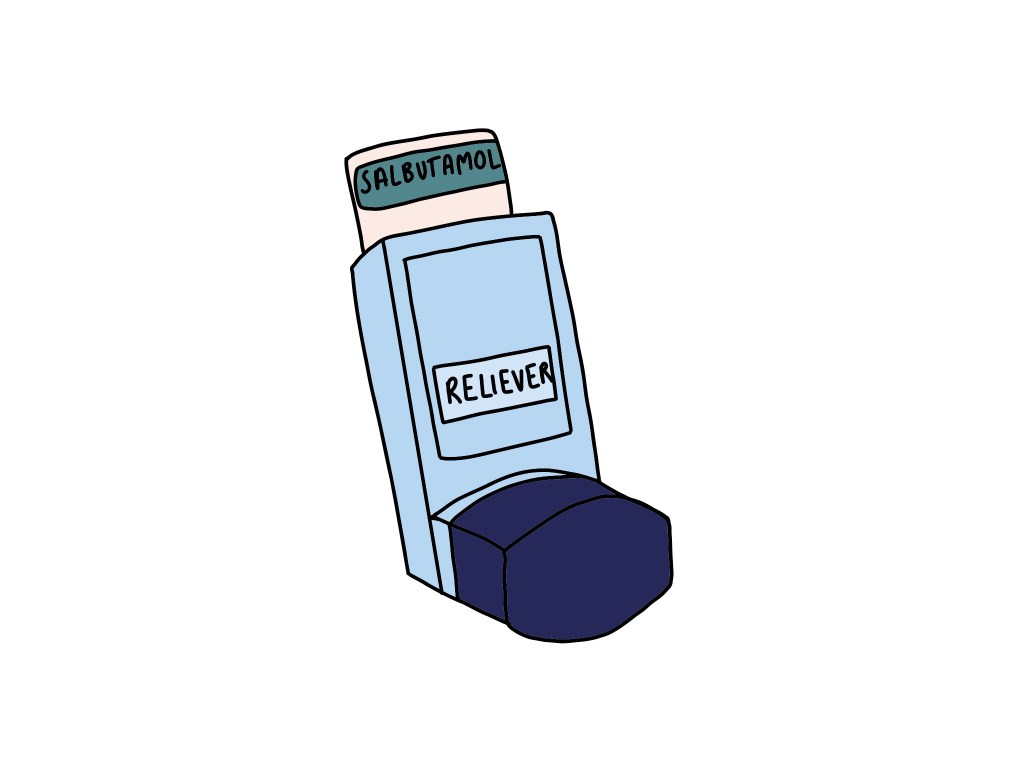
Reliever inhalers are taken when needed to relieve the symptoms of an asthma attack, and contain short-acting bronchodilators. You should always take this with you, even if your asthma is well controlled.
They are often known as “blue” inhalers, and the most commonly prescribed one is Salbutamol (brand names include Ventolin, Salamol).
- If you’re using this more than 3 times a week, you may need a stronger/different preventer inhaler, or an additional treatment. Book in for an asthma review at your GP.
Sometimes you may be offered Maintenance and Reliever Therapy (MART), where you use one combination inhaler instead of separate preventer and reliever ones.
Additional treatments include Montelukast (a tablet taken once a day, that acts as a preventer), or steroid tablets e.g., Prednisolone (which may be prescribed if you’ve had an asthma attack or if you have a chest infection that is worsening your asthma symptoms).
Most people with asthma can keep their symptoms under control by taking their medications as prescribed. However, when the symptoms are not well controlled, or if severe, asthma attacks (where symptoms worsen suddenly) happen more often and can be life-threatening.
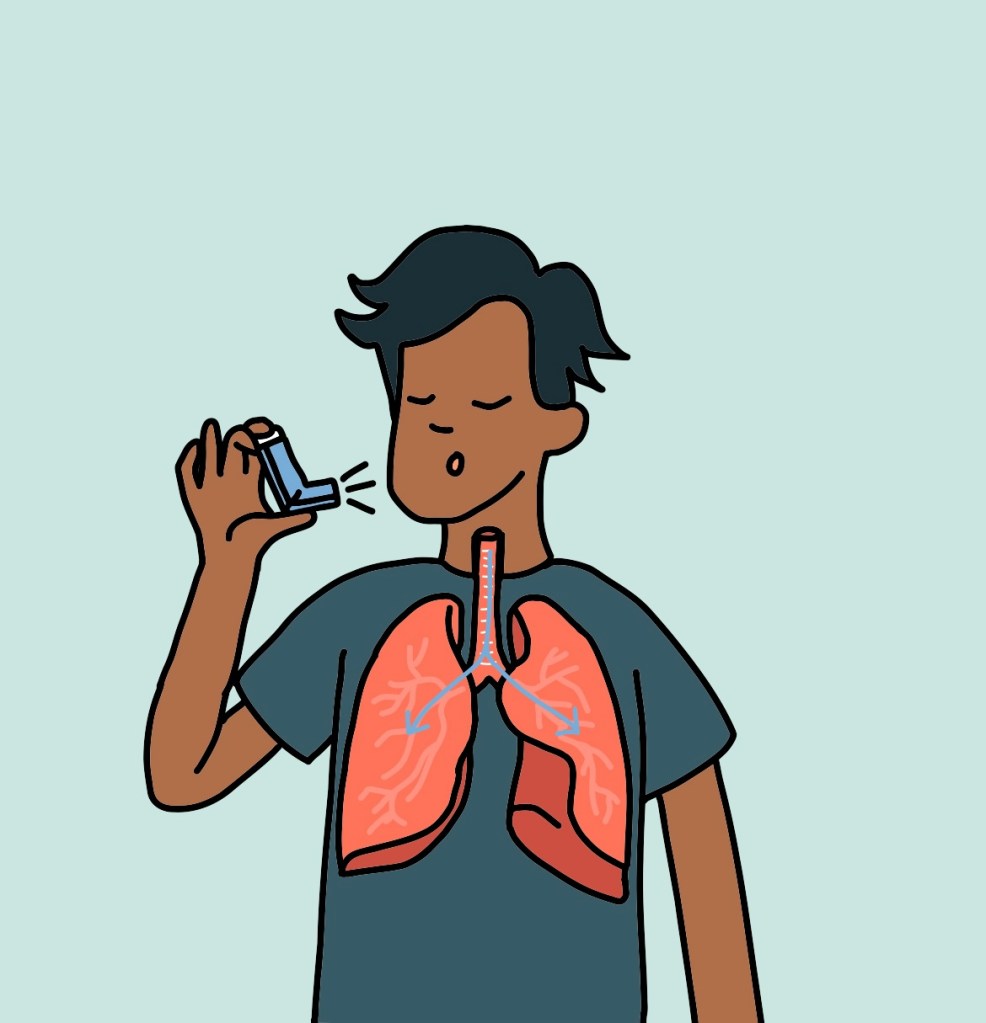
- If you’re having an asthma attack and symptoms do not improve after ten puffs of your reliever inhaler, taken 30-60 seconds apart, call 999 and ask for an ambulance.
It’s a good idea to create an asthma action plan with a healthcare practitioner (HCP), so that if you do have an asthma attack you know exactly what to do and when to seek medical attention.
You should see a HCP at least once yearly for a check-up, and after every asthma attack.
How Do I Use My Inhalers Correctly?
There are lots of different types of inhalers, and you use them in slightly different ways. See below the video on how to use a Metered Dose Inhaler, the most commonly prescribed type.
General tips:
- If your inhaler hasn’t been used in the past 5 days, test it before using.
- When using, make sure you sit or stand up straight, and tilt your chin slightly up – this helps the medication better reach your lungs.
- Remember to breathe out slowly and fully (until your lungs feel empty) before using the inhaler and breathing in again.
- After using the inhaler and breathing in, try to hold your breath for around 10 seconds (or as long as you are comfortably able).
- Wait around 30 seconds in between puffs.
- Make sure to rinse your mouth after every use, as inhaled steroids can increase the risk of oral thrush.
You may also be given a spacer to use with your inhaler. These are empty plastic tubes that attach to the end of MDI inhalers, and help the right amount of medicine get to your lungs. You use your inhaler in a slightly different way with a spacer, as you breathe in and out of the spacer device several times after (instead of the ‘single breath and hold’ technique). A GP, nurse or pharmacist can show you how to use one.
If you have a different inhaler and are unsure how to use it, click the link below for information and guidance on how to use all other types
https://www.asthmaandlung.org.uk/living-with/inhaler-videos
What Else Can I Do to Help My Symptoms?
Trigger Avoidance
To reduce exposure to common triggers, start by identifying your specific triggers through careful observation and allergy testing (discuss this with your GP).
- Keeping a symptom diary for a few weeks is a really good idea – noting down what you’ve eaten, where you’ve been, and what activities you were doing, along with the symptoms you experienced, will help make identifying triggers easier.
Once identified, take steps to minimise contact with these triggers in your environment.
For Indoor Allergens:
- Use allergen-proof bedding covers.
- Wash bedding weekly in hot water.
- Keep pets out of the bedroom.
- Use a HEPA air purifier to help remove dust, pollen, and animal hair from the air.
- Regular cleaning, including vacuuming with a HEPA filter and damp dusting, can help reduce allergens in the home.
- Maintain good indoor air quality by controlling humidity levels with a dehumidifier and promptly addressing any mould issues.
For Outdoor Allergens:
- Stay indoors on high pollen days (check pollen count online).
- Keep windows closed as much as possible.
- Use air conditioning – these circulate and filter air, helping to remove dust and mould particles. You can get portable air conditioning units too, like this one here.
For Non-Allergic Triggers:
- Avoid tobacco smoke.
- Exercise in appropriate conditions, e.g., avoid going for a run during peak rush hour traffic, if care exhaust fumes are a trigger for you.
- Take precautions during cold and flu season e.g., by getting your vaccinations and wearing a mask in busy places.
The Green Prescription
Contrary to popular belief, regular exercise is beneficial to people with asthma.
It is normal to breathe faster and more deeply during exercise, though sometimes exercise can be a trigger for asthma symptoms (exercise-induced asthma) or result in exposure to an allergen that triggers symptoms (e.g., chlorine when swimming in a pool) – it can be hard to tell whether your symptoms are caused by exercise itself or something triggering your asthma.
If you have symptoms like coughing, wheezing, and chest tightness, then it’s more likely that exercise is a trigger for you as these aren’t “normal” responses to exercising. Speak to your GP or practice nurse for more advice, as improving asthma control will help you keep fit and active.
Resources:
https://www.asthmaandlung.org.uk/living-with/keeping-active/keep-active-programme
https://www.asthmaandlung.org.uk/living-with/keeping-active/physical-activity
The Mind-Body Connection
Emotional stress is a common trigger for asthma attacks. Incorporating stress management techniques, such as yoga, meditation and mindfulness, into daily routines can help with symptom control.
Yoga Resources:
https://www.doyogawithme.com – A mix of free and paid for content, including yoga videos, meditation sessions, and structured programs to follow.
https://www.youtube.com/user/yogawithadriene – Free yoga videos of varying lengths and for all abilities on Youtube.
Meditation and Mindfulness Resources:
https://www.nhs.uk/mental-health/self-help/tips-and-support/mindfulness/
https://www.mind.org.uk/information-support/drugs-and-treatments/mindfulness/how-to-learn-mindfulness/
Further Support – Asthma and Lung UK
Asthma and Lung UK are the UK’s leading lung charity, and one that fights for everyone’s right to breathe and to live with healthy lungs. From research and campaigning to advice and support, they’re there to support you with all aspects of your lung health.
There are lots of resources on their website to help support you manage your asthma well, including asthma action plans. Click the link below to find out more:
https://www.asthmaandlung.org.uk/conditions/asthma
They also have a helpline team that are on hand to help with any questions you may have surrounding your asthma, and can be reached on 0300 222 5800 (Monday to Friday, 9:15am – 5pm), or via the online contact form on their website:
https://www.asthmaandlung.org.uk/helpline
There is also a WhatsApp service for people diagnosed with asthma too. If you have any queries about your asthma, you can contact the team on 07999 377775. They aim to respond within 24 hours on working days.
In Summary
Asthma is a chronic condition affecting approximately 262 million people globally, with 4.3 million adults and 1 in 11 children in the UK diagnosed. It occurs when the airways become inflamed and narrowed due to triggers like allergens, exercise, and weather changes, and presents with symptoms such as a dry cough, wheeze, chest tightness and shortness of breath.
Most people with asthma can keep their symptoms under control by taking their medications as prescribed. However, when the symptoms are not well controlled, or if severe, asthma attacks (where symptoms worsen suddenly) happen more often and can be life-threatening. It’s really important to make an asthma action plan with your HCP so you know what to do if this happens, and attend regular check ups/see your HCP if your symptoms are worsening, as they can help improve your symptom control.
For more support and resources, Asthma and Lung UK offers guidance on effective asthma management and support for any queries you may have about your diagnosis.
Remember, effective management can lead to a better quality of life – book in your asthma review with a HCP today. Act now to breathe easier and live fully!
References
Most references are linked directly in this article – see highlighted text.
My medical school notes and knowledge – thank you to the University of Leicester.
https://www.webmd.com/asthma/nocturnal-asthma-nighttime-asthma
https://geekymedics.com/inhaler-technique-osce-guide
https://www.nice.org.uk/guidance/ng80
This article contains affiliate links, and as an Amazon Associate I earn from qualifying purchases.
 The Health and Healing Narrative
Leave a comment