The Health and Healing Narrative
Promoting understanding between people and practitioners.
Living Well With …
-
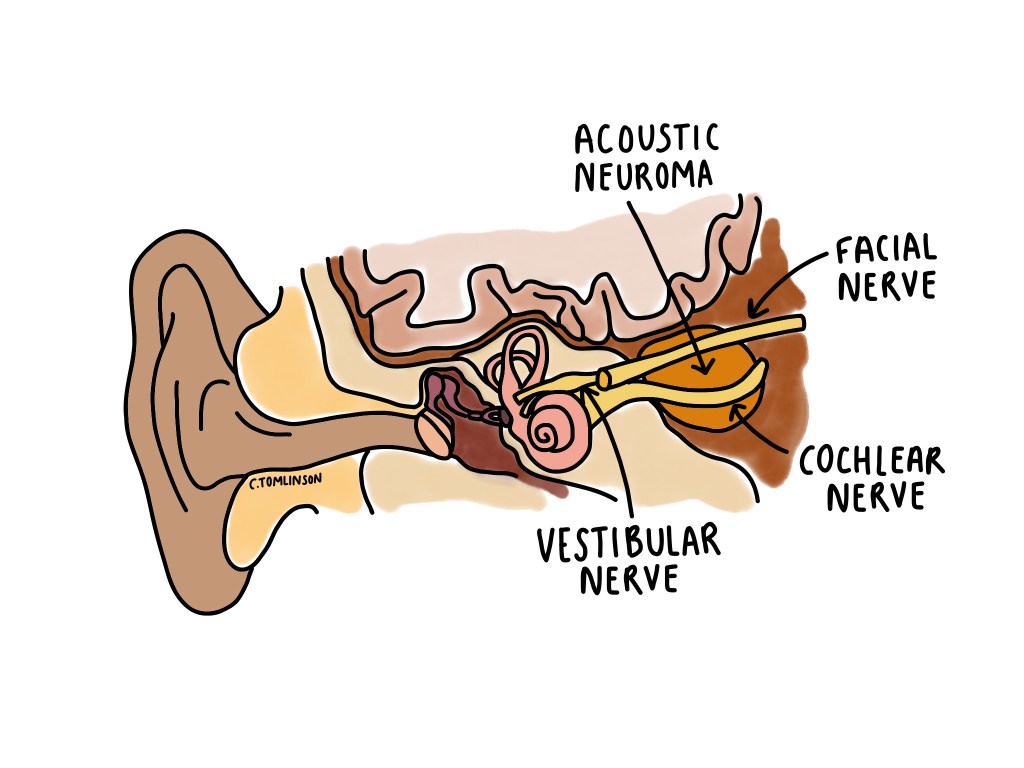
Beyond “Benign”: Let’s Talk About Acoustic Neuromas
When people hear the words “benign brain tumour“, they often assume it’s reassuring. After all, benign means it’s not cancerous. But for thousands of people living with an acoustic neuroma, that single word can be deeply misleading. When I was four years old, my mum was diagnosed with an acoustic neuroma. Although the tumour wasn’t…
-
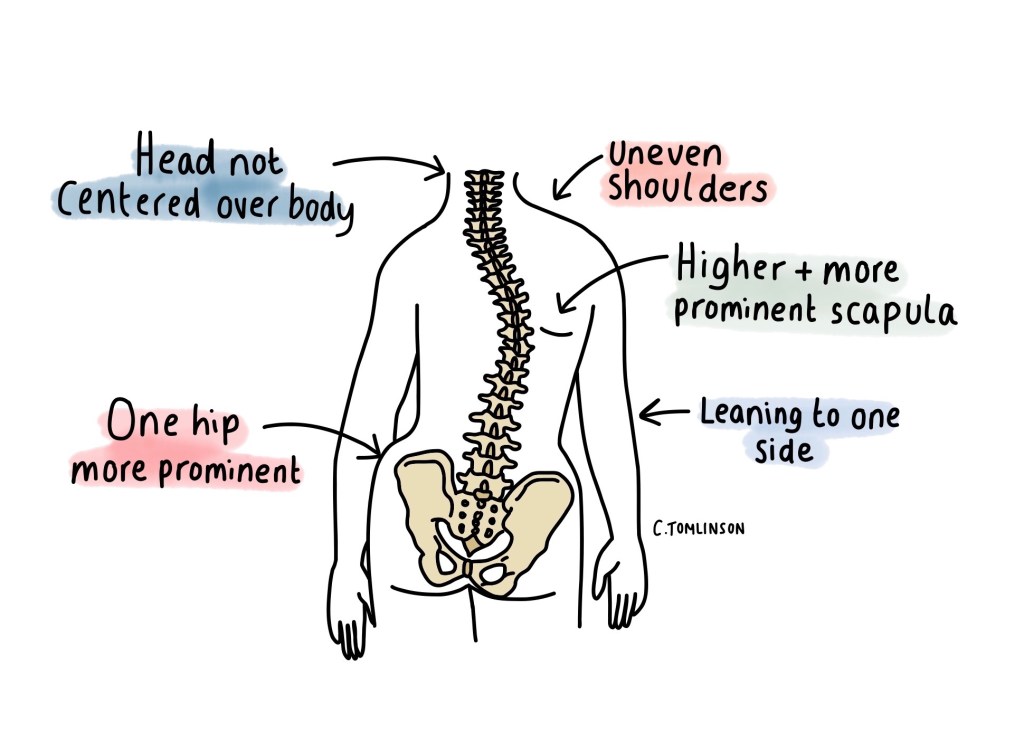
Adolescent Idiopathic Scoliosis: Define, Detect, Treat, Advocate
By Lisa Banirian Just as every structure needs a strong foundation, our bodies are supported by the spine. The spinal column consists of five regions and a total of 33 vertebrae, some of which are fused by adulthood. The spine works in conjunction with muscles, tendons, ligaments, and nerves that support movement and protect the…
-
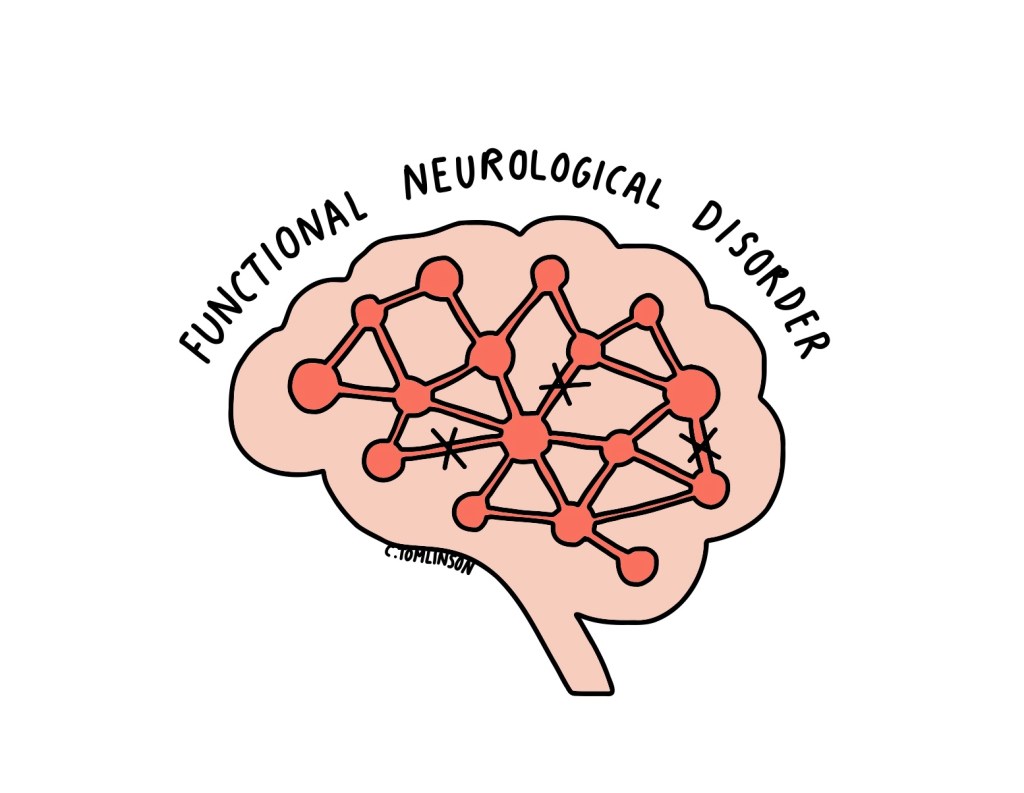
Understanding Functional Neurological Disorder (FND): A Complete Guide
Functional Neurological Disorder (FND) is a common neurological condition — yet many people have never even heard of it. Even more concerning, it is still widely misunderstood. I was reminded of this when I recently attended a conference at the Walton Centre, a specialist neurology and neurosurgery trust in the North West. During the conference, consultant…
-
Statins: Separating Myth from Medicine
By Derek Miao, clinical pharmacist and medical writer If your doctor recently recommended a statin, you may be wondering what it is and why it matters. You may also have heard conflicting information or myths about statins — so what’s actually true? Let’s dive in and break it down to plain language! Contents What are…
-

Anorexia: Signs, Symptoms, and Support for Recovery
CONTENT WARNING — This article discusses anorexia, including symptoms, restrictive eating behaviours, weight loss, and the physical and psychological effects of the disorder. Some readers may find this content distressing. Please take care while reading, and consider seeking support if it raises difficult feelings. What is anorexia? Anorexia nervosa is a serious mental health disorder…
-

What Is PrEP? Everything You Need To Know, and The New HIV Prevention Jab Changing The Game
Every year in the UK thousands of people are diagnosed with HIV, despite major advances in prevention and treatment. In 2024 there were around 3,043 new HIV diagnoses across the UK, representing a 4% drop from the year before. Yet even with this progress, nearly 42% of diagnoses in England were made at a late stage* of infection – when…
-

Type 2 Diabetes: A Doctor’s Guide
From diet and exercise to stress management and medication, this guide shows how small, consistent changes can help you take control of and live well with type 2 diabetes.
-

Prostate Cancer Symptoms You Shouldn’t Ignore And More: A Men’s Health Guide
Prostate cancer is the most common cancer in men in the UK, affecting 1 in 6-8 men. Every year, more than 47,000 people are diagnosed, and around 12,000 die from the disease – that’s more than 1 every hour. Despite these numbers, awareness is still surprisingly low, with many people not knowing what the prostate…
-

More Than Memory Loss: Understanding, Caring For, and Coping With Dementia
One in three people in the UK will develop dementia in their lifetime. Dementia isn’t a single disease, but an umbrella term for a group of conditions that cause a decline in brain function, affecting memory, reasoning, communication, and the ability to perform everyday tasks. Though most common in older adults, it is not a…
-
The “Silent Killer”: What is Hypertension, and What Can We Do To Manage It?
Did you know that nearly half of adults with hypertension don’t even know they have it? Hypertension, commonly known as high blood pressure, is a major health concern worldwide, affecting an estimated 1 in 4 adults. Frequently referred to as the “silent killer”, it can develop gradually without noticeable symptoms, making it easy to overlook.…
The Latest From The Blog