
It is a known fact that waiting times for ADHD assessments in the UK vary greatly. According to ADHD UK’s 2023 report, children may wait 5 weeks to 5 years. Adults may wait 12 weeks to over 10 years.
With waits this long, many people turn to private assessments. These typically cost several hundred pounds, with many exceeding the £1,000 mark.
So you’ve paid out of pocket and received your diagnosis. Your clinician recommends medication like Methylphenidate (Ritalin, Concerta) or Lisdexamfetamine (Elvanse, Vyvanse) to help your symptoms. You try to get a prescription from your GP to avoid ongoing private costs.
But they won’t prescribe it.
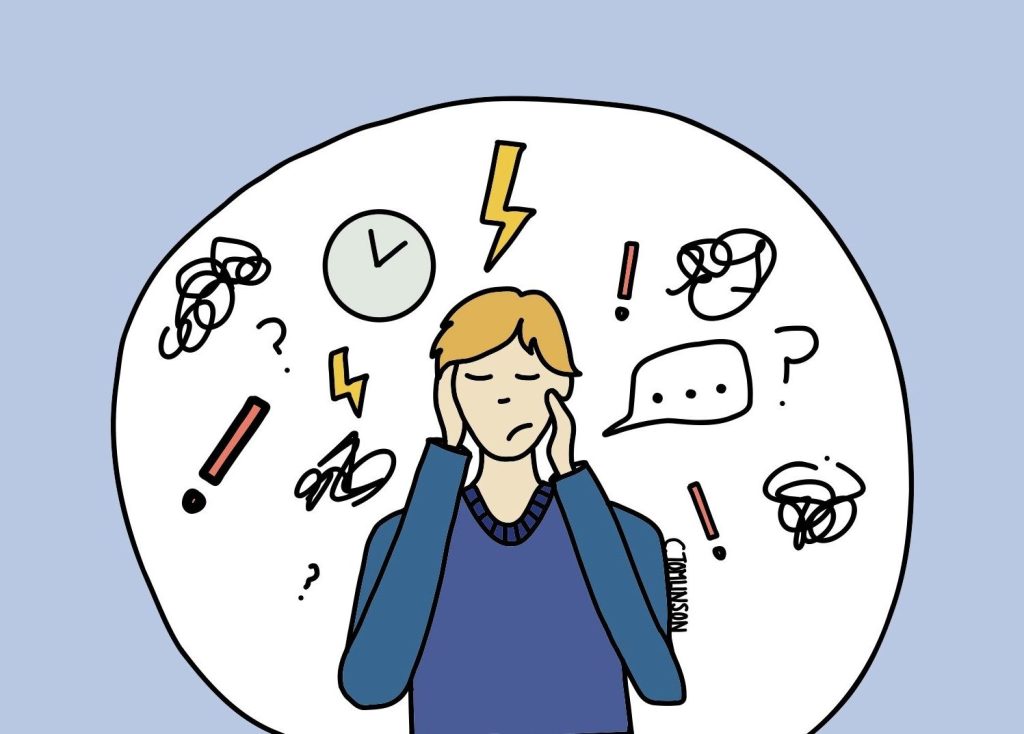
You’re left feeling confused, frustrated, or disappointed.
This scenario is increasingly common in primary care. But let’s re-frame the narrative.
Often, it’s not that your GP doesn’t want to help – it’s that they legally or practically can’t. This article explains why, and what you can do to access ADHD care safely and effectively in the UK.
Contents
- What Is ADHD?
- What Is A Shared Care Agreement (SCA)?
- Why GPs May Refuse Shared Care
- Local ICB Policies and Funding
- Impact on Patients
- Alternatives: Right to Choose
- Practical Tips for Accessing ADHD care
- In Summary
DISCLAIMER:
While I am a practising doctor, the information on this site is for educational purposes only. It does not take into account your personal circumstances, which can significantly affect medical decision-making and treatment. This content therefore does not constitute medical advice, and should not be relied upon for diagnosis or treatment. Always consult a qualified healthcare provider regarding any health concerns.
This article was written on the 08/09/2025 using up-to-date sources at that time. Please be aware that medical information and guidelines change often.
What Is ADHD?
ADHD stands for Attention Deficit Hyperactivity Disorder. It is a neurodevelopmental condition, meaning it affects how the brain develops and functions.
The three cardinal symptoms are inattention, hyperactivity, and impulsiveness. People with ADHD may:
- Struggle to concentrate
- Have trouble staying organised
- Find it hard to manage time
- Experience restlessness or impulsivity
ADHD isn’t caused by laziness or lack of discipline. It’s linked to differences in brain function, with genetics thought to play a role as it often runs in families.
With the right support – which includes therapy, lifestyle strategies, and sometimes medication – many people with ADHD can thrive.
Which ADHD symptoms do you experience most often? Were there any ADHD symptoms that you dismissed?
Watch this video from Rhesus Medicine for more information about the symptoms, how it is diagnosed, and what medications can be used to help:
What Is A Shared Care Agreement?
A Shared Care Agreement (SCA) is a formal agreement between an NHS specialist and your GP. It allows care (and responsibility for care) to be shared between the two, for medications that are started by specialists.
Drugs that can be under an SCA include psychiatric medications like Aripiprazole, immunosuppressants like Methotrexate, and more. They are medications that require ongoing monitoring and specialist input.
How it works:
- The specialist: diagnoses ADHD, starts treatment and monitors until your dose is correct, and provides ongoing advice.
- The GP: provides routine prescriptions and monitoring (blood pressure, weight, etc).
Important: GPs are not obliged to accept an SCA. They will only do so if they feel it is safe, clinically appropriate, and supported by local NHS guidance.
Private ADHD care and Shared Care:
- SCAs are typically not offered if the assessment and treatment is done privately.
- Exceptions: if a private provider is NHS-commissioned, such as through Right to Choose, Shared care may be possible. More on this later.
- The British Medical Association (BMA) advises against SCAs with private providers to keep NHS and private care separate.
- This is because mixing NHS and private care raises concerns about governance*, safety, and fairness, and could create health inequities.
- The BMA instead advises that private patients seeking Shared Care should instead have their treatment fully transferred to the NHS.
*Governance (clinical) – a system which ensures continuous improvement of health services and high standards of care.
Had you ever heard of a Shared Care Agreement before this article?
Have you faced any challenges when trying to get an SCA for a medication?
Did your GP explain why they could or could not accept a Shared Care Agreement?
Why GPs May Refuse Shared Care
Even when treatment is started within the NHS, a GP may decline an SCA. Reasons include:
- Clinical responsibility and safety
- ADHD medications are controlled drugs*. GPs must closely monitor blood pressure, pulse, weight, and mental health.
- If they are unsure about prescribing safety or there is a lack of guidance from the specialist, they can refuse.
- Workload and resources
- ADHD monitoring can be time-consuming.
- GPs do not receive extra funding for this work, unlike the monitoring of some medications like Warfarin.
- They may not be able to meet the requirements needed for safe monitoring if already overstretched.
- Variability in quality of private assessments
- NHS assessments require detailed reports: history, diagnosis, treatment rationale, titration (dose adjustment) notes, and monitoring plans.
- Privary reports vary in quality, leaving GPs concerned about safety and accountability.
- Governance and responsibility
- GPs are legally responsible for any prescriptions they sign.
- They may feel the risk is too high if they weren’t involved in the original assessment and titration.
- Health equity
- If private-paying patients can get NHS prescriptions via Shared Care, this creates inequalities for others waiting in the NHS system.
*Controlled drug = drugs that are under a high level of regulation, due to their potentially addictive or harmful nature.

Local ICB Policies and Funding
Integrated Care Boards (ICBs) receive a set budget from NHS England to plan and fund local NHS services. They decide how budgets are spent across hospitals, community services, and primary care, including prescriptions.
- There is no national guidance on whether GPs should accept Shared Care Agreements for private ADHD assessments. This means policies vary by area.
- Some ICBs instruct GPs not to accept SCAs from private providers for the reasons above, along with financial constraints.
Funding for prescriptions:
- NHS prescriptions: paid for by the ICB; patient pays usual NHS charge.
- This is the case if a GP accepts an SCA for a medication.
- Extra costs and workload for monitoring are absorbed by GP practices. Extra funding is allocated if this service is a Direct Enhanced Service e.g. Warfarin monitoring. There is no extra funding for ADHD treatment monitoring.
- Private prescriptions: fully out of pocket; patient covers drug and pharmacy dispensing fee.
Do you feel your area’s policies impact access to ADHD care? If so, do you feel confident that you know to discuss this with?
Impact On Patients
It’s understandable that it can feel like a “lose-lose” situation.
- Go private → pay thousands for assessments, follow-up, prescriptions
- Stick to the NHS → wait months or years for initial assessment alone
With ADHD symptoms affecting multiple areas of life, delays in diagnosis and treatment can lead to:
- Work or academic challenges e.g., struggling to hold a job
- Strained relationships
- Financial stress
- Emotional strain
Emotional strain:
Being “in limbo” between private and NHS services can leave you feeling frustrated, unheard, and invalidated. The associated uncertainty and stress can worsen ADHD symptoms. This leads to a cycle of anxiety, low self-esteem, and further functional impairment.
How has waiting for an assessment or medication affected your work, studies, or relationships? How long have you had to wait for an assessment?
If this sounds familiar, we get it – and it’s frustrating as GPs too. The good news? There are ways to access care safely and effectively.
Alternatives: Right To Choose
In England, patients have a right to choose their NHS provider for specialist care. This includes your mental health provider.
- If your GP believes you need ADHD assessment, they can refer you to any provider holding an NHS contract. This can include independent clinics, like Psychiatry UK.
- If you’ve been referred and the wait is taking too long, you can choose an alternative provider.
- Assessment, diagnosis, and medication initiated this way is fully NHS-funded.
- GPs are usually more willing to entered Shared Care once treatment is stable. Though again, this can vary between ICBs.
There are exceptions to this, though. For instance, if you are a member of the armed forces, you may not be able to choose. The same applies if you are accessing emergency care. See the NHS Choices Framework for more details.

Right to Choose allows patients to access ADHD services faster while keeping NHS prescribing and monitoring benefits.
Do you have any experience with the Right to Choose pathway for ADHD care? Did it help you get faster access to services?
If you feel you need an ADHD assessment, ADHD UK provides a good summary table of ADHD assessment providers. These providers are funded on the NHS Right to Choose. Click here for more information.
Read Ruth’s story here. Ruth was diagnosed with ADHD as an adult. Her GP referred her to Psychiatry UK via the Right to Choose pathway.
Practical Tips for Accessing ADHD Care
- Explore NHS pathways first, including Right to Choose referrals.
- Ask about the waiting times for services in your area, and research waiting times for independent services too.
- Talk to your GP first about whether they might accept Shared Care before paying privately.
- If not, are you ok with continuing to pay privately for prescriptions?
- Clarify local ICB policies. Your GP might not be able to enter into an SCA even if they personally support it.
- If going private, choose a reputable, CQC-registered* clinic that provides detailed reports.
*CQC refers to the Care Quality Commission. This organisation reviews doctors and clinics. It monitors them to ensure that they carry out activities to high standards.
In Summary
Navigating ADHD care in the UK can be frustrating. Understanding:
- Shared Care Agreements
- Right to Choose
- Local ICB policies
…can help you access care safely, avoid unnecessary costs, and reduce delays.
ADHD care and support can be tricky to navigate, but you’re not alone. Have you gone through a private assessment or struggled to get an NHS prescription? Is there anything else you wish you’d known before you started your health journey?
Share your experience in the comments below – your story could help others in the same situation. And if you found this guide useful, I’d love to hear from you!
For more support:
https://www.mind.org.uk/information-support/tips-for-everyday-living/adhd-and-mental-health/
https://www.adhdfoundation.org.uk
https://www.thebraincharity.org.uk/condition/attention-deficit-hyperactivity-disorder/
 The Health and Healing Narrative
Leave a comment