
On the 20th of December 2020, Jessica Brady passed away at the age of 27 after a devastating five-month illness. During this time, she attended 20 appointments with her GP surgery, yet her symptoms were repeatedly dismissed. For both the public and healthcare professionals alike, it is hard to find the words to capture the shock and sadness of hearing her story.
Her story is the reason Jess’ Rule exists – and why it matters now more than ever. With cancer rates in young people on the rise, it is a painful reminder of how easily young people’s concerns can be overlooked – and how critical it is that every voice in the consultation room is heard.
Contents
- The Young Patient Behind Jess’ Rule: A Missed Cancer Diagnosis
- Jess’ Rule Explained: What It Means for GPs and Young Patients
- On A Personal Note
- What Patients Can Do to Make Their Voice Heard in GP Appointments
- Listening to Patients: How Healthcare Professionals Can Improve Patient Care
- The Myth of the All-Knowing Doctor
- In Summary: Jess’s Legacy and the Future of Patient Care
- Discussion
DISCLAIMER:
While I am a practising doctor, the information on this site is for educational purposes only. It does not take into account your personal circumstances, which can significantly affect medical decision-making and treatment. This content therefore does not constitute medical advice, and should not be relied upon for diagnosis or treatment. Always consult a qualified healthcare provider regarding any health concerns.
This article was written on the 29/09/2025 using up-to-date sources at that time. Please be aware that medical information and guidelines change often.
The Young Patient Behind Jess’ Rule: A Missed Cancer Diagnosis
Previously fit and healthy, Jessica Brady reported a range of increasingly debilitating symptoms for which she sought advice from her GP, including unintentional weight loss, enlarged lymph nodes, a persistent cough, and night sweats. All of these symptoms are “red flags” that should ring alarm bells.
Despite consulting six different GPs, with three consultations being face-to-face, no diagnosis or referral to a specialist was made.
After a few months, her family sought private specialist care, by which point it was too late.
Jessica was diagnosed with adenocarcinoma of unknown primary following a biopsy of her enlarged lymph nodes. The cancer was stage 4, meaning it was advanced at the time of diagnosis and curative treatment was no longer possible. Tragically, she passed away just three weeks later, only five days before Christmas.
Definitions:
- Adenocarcinoma is a cancer of the glands that line your organs, which produce and release substances such as hormones, mucous, or sweat, depending on their location.
- Cancer of unknown primary refers to cancer that has spread around your body, but the origin – where the cancer started – is unclear.
Jess’ Rule Explained: What It Means for GPs and Young Patients
According to NHS England:
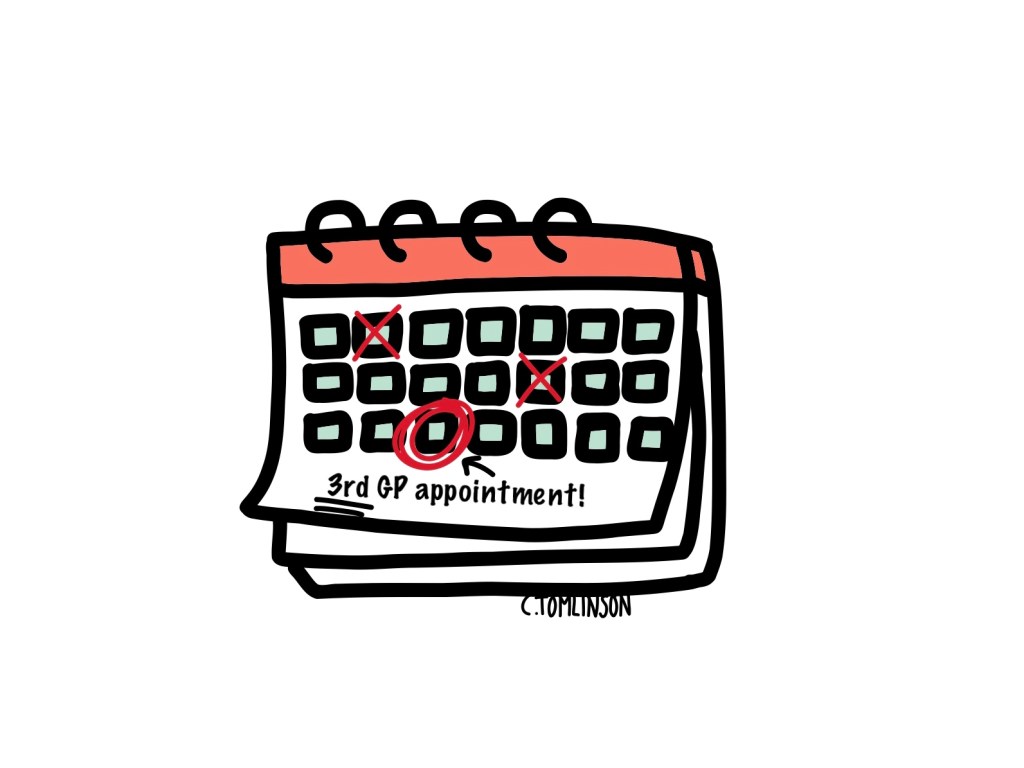
“Jess’s Rule is a primary care initiative to encourage GPs teams to rethink a diagnosis if a patient presents three times with the same symptoms or concerns, particularly if symptoms unexpectedly persist, escalate, or remain unexplained.”
The rule is not a law, but guidance that instructs GPs to “reflect, review, and rethink” when a patient returns multiple times with the same or worsening symptoms. This is particularly important to ensure that serious conditions aren’t overlooked simply because a patient is young or otherwise appears low-risk.
While many GPs already follow a similar approach, Jess’s Rule formalises this practice, providing a clear framework to prevent delayed diagnoses and improve patient safety.
On A Personal Note
The best piece of advice I was ever given as a medical student was from a GP: treat every patient as if they have a brain tumour. In other words, we should always take patients’ concerns seriously, and never dismiss them as “unlikely” purely based on age, background, or lifestyle.
That advice really hit home for me. When I was four, my mum was diagnosed with an acoustic neuroma, a benign brain tumour, in her 30s. It took two long years before she received the MRI scan that finally confirmed the diagnosis. When she saw her GP she was told it wouldn’t be a brain tumour – despite unexplained worsening hearing, fullness in her ear and balance issues. Her GP said she was most likely “stressed” from moving house and having a young child at home, and due to being pregnant with her second child.
By the time her tumour was discovered, it had grown significantly, requiring two brain surgeries and stereotactic radiosurgery. The outcome? She lost her hearing completely in one ear, as well as ending up with permanent tinnitus and trigeminal neuralgia – things that might’ve been mitigated with earlier investigation.
We’re incredibly lucky that she’s still here today, as though benign, brain tumours can have life-altering consequences. Her experience is a stark reminder of why listening to patients, taking concerns seriously, and reflecting on persistent symptoms is so important.
What Patients Can Do to Make Their Voice Heard in GP Appointments
If you’re worried about your symptoms, here are steps you can take to make sure your concerns are clearly communicated:
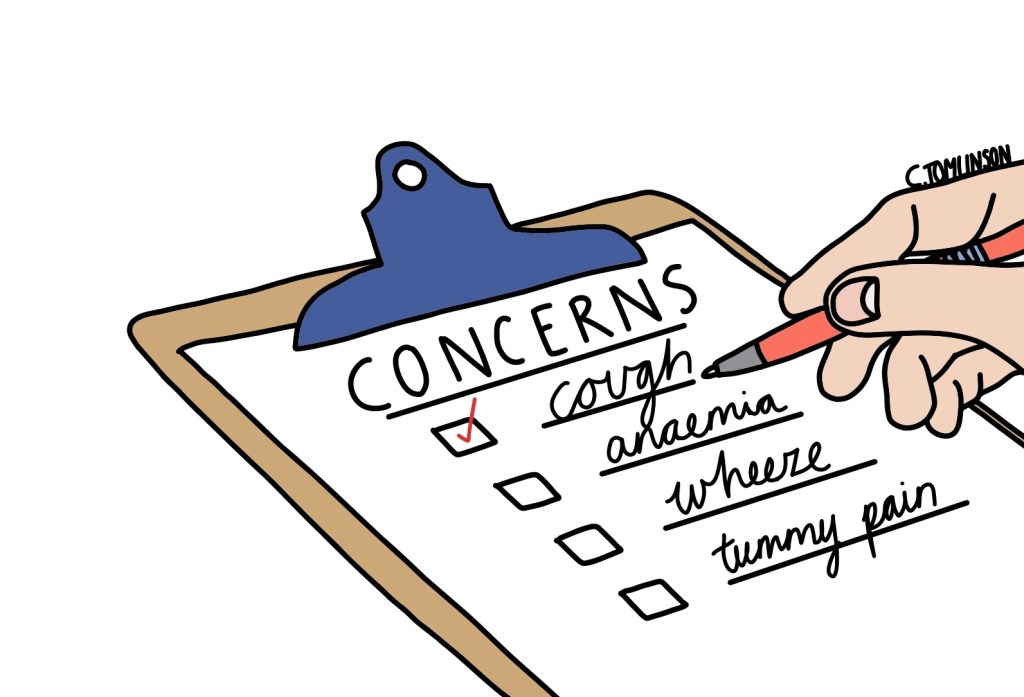
1. Write down your Ideas, Concerns, and Expectations, before your appointment
- This one is probably the most important of them all, to make sure you and your GP are on the same page.
- Talk about this at the start of your appointment.
Example: Lucy, 33, has a persistent cough. Her GP asks her why she has come in today.
- Ideas: “I have had a cough for 5 weeks. I have had chest infections before, but this feels different. I’ve smoked since I was 13, so I’m worried it could be lung cancer. “
- Concerns: “My dad was diagnosed with lung cancer at 45, and it had already spread. I’m worried the same might happen to me.”
- Expectations: “I would like tests, like a chest x-ray, to rule out lung cancer.”
2. Keep a symptom diary
- Record your symptoms, when they started, their severity, and patterns over time. Tell or show your GP this at your appointment.
3. Be mindful of appointment lists and times
- Most GP appointments are 10 minutes. To make sure your GP has enough time to safely explore all your concerns, aim for one appointment per health concern.
- If you have multiple concerns, ask for a double appointment or schedule separate visits.
4. Prioritise your concerns
- Bring a written list and discuss with your GP at the start. Agree on which issues to focus on, and check if they want to prioritise something else.
4. Ask open questions
- “What serious conditions could this be?” – this encourages your GP to consider all possibilities.
- “What symptoms should I look out for?” – discussing “red flag” symptoms will help you know when you need to come back in for review.
5. Seek a second opinion if needed
- You are entitled to another professional perspective if you are worried or unsure.
6. Clarify follow-up timelines
- Ask your GP when you should return if symptoms persist. A useful guide is 2–3 weeks, or sooner if symptoms worsen.
See our article What your Doctor Needs To Know: How to Make The Most of Your Appointment for how to best prepare for your next appointment.
Listening to Patients: How Healthcare Professionals Can Improve Patient Care
Jess’ Rule is only part of the solution. Here are ways clinicians can prevent delayed diagnoses and build stronger patient relationships:
1. Take every concern seriously, regardless of age
- “Common things are common” – but rare, serious conditions do still happen in young people.
2. Reflect on repeat presentations
- Think about Jess’ Rule – has this patient presented 3 or more times with the same symptoms? If so, it’s time to reconsider. A second opinion, referral, advice from secondary care, or further investigation may be warranted.
3. Explain your reasoning and next steps to patients
- Transparency builds trust. Patients are more likely to follow advice if they understand why tests, referrals, or follow-ups are recommended.
- A simple phrase like, “I don’t think this is likely to be something serious, but I want to arrange a blood test to be sure,” can go a long way in building reassurance.
- Clear reasoning also sets realistic expectations: medicine is not always about getting the answer right first time, but about a process of listening, investigating, and refining.
4. Acknowledge uncertainty
- Medicine is complex, and no one has all the answers at once. Being honest when you need to check guidelines, consult with colleagues, or order additional tests does not undermine your expertise – it demonstrates professionalism and a commitment to safe care.
5. Prioritise continuity and follow-up
- Above all, patients need to feel heard and know their concerns are taken seriously. Set clear follow-up plans, explain when to come back if symptoms persist or worsen, and encourage patients to take an active role in monitoring their health.

Jess’ Rule: Resources For Healthcare Professionals
Poster for GP surgeries to encourage people to think about Jess’ Rule: https://campaignresources.dhsc.gov.uk/campaigns/jesss-rule-three-strikes-and-we-rethink/campaign-assets/
RCGP learning module on early diagnosis of cancer in young adults:
https://elearning.rcgp.org.uk/course/info.php?id=883
GatewayC – free webinars on various cancers in primary care:
The Myth of the All-Knowing Doctor
When I first saw the headline about Jess’ rule, it was on social media. I was shocked by the story and, as is often the case, I delved into the comments – probably my first mistake.
While there was an immense amount of support for Jess’s Rule, as there should be, one thing struck me: a large volume of criticism aimed at GPs. Some labelling them “stupid” or “incompetent,” with many criticising GPs “not knowing anything” and for googling guidelines or symptoms during a consultation.
Modern medicine is vast, constantly evolving, and highly specialised. With tens of thousands of health conditions – and only ten minutes per appointment – it’s impossible for any GP to know every answer instantly, especially when dealing with complex or rare presentations.
A good GP recognises their limits and seeks advice when necessary – whether that means googling guidelines in front of you, consulting trusted medical references, or reaching out to colleagues in primary or secondary care.
Far from being a sign of incompetence, this is diligence: a commitment to making sure nothing important is overlooked.
In Summary: Jess’s Legacy and the Future of Patient Care
Jess’ Rule is more than NHS guidance – it’s a call to action. With cancer rates rising in young people, we cannot afford to dismiss persistent symptoms as “unlikely”.
For patients, it means speaking up and returning if things don’t improve. For healthcare professionals, it means listening, reflecting, and never being afraid to rethink.
Share this story to help protect young lives.
Discussion
- Do you think Jess’ Rule will change the way GPs approach persistent symptoms?
- What advice would you give to someone who feels nervous about speaking up in a GP appointment?
- How can patients and healthcare professionals work together to reduced delayed diagnoses?


 The Health and Healing Narrative
Leave a comment