
CONTENT WARNING — This article discusses anorexia, including symptoms, restrictive eating behaviours, weight loss, and the physical and psychological effects of the disorder. Some readers may find this content distressing. Please take care while reading, and consider seeking support if it raises difficult feelings.
What is anorexia?
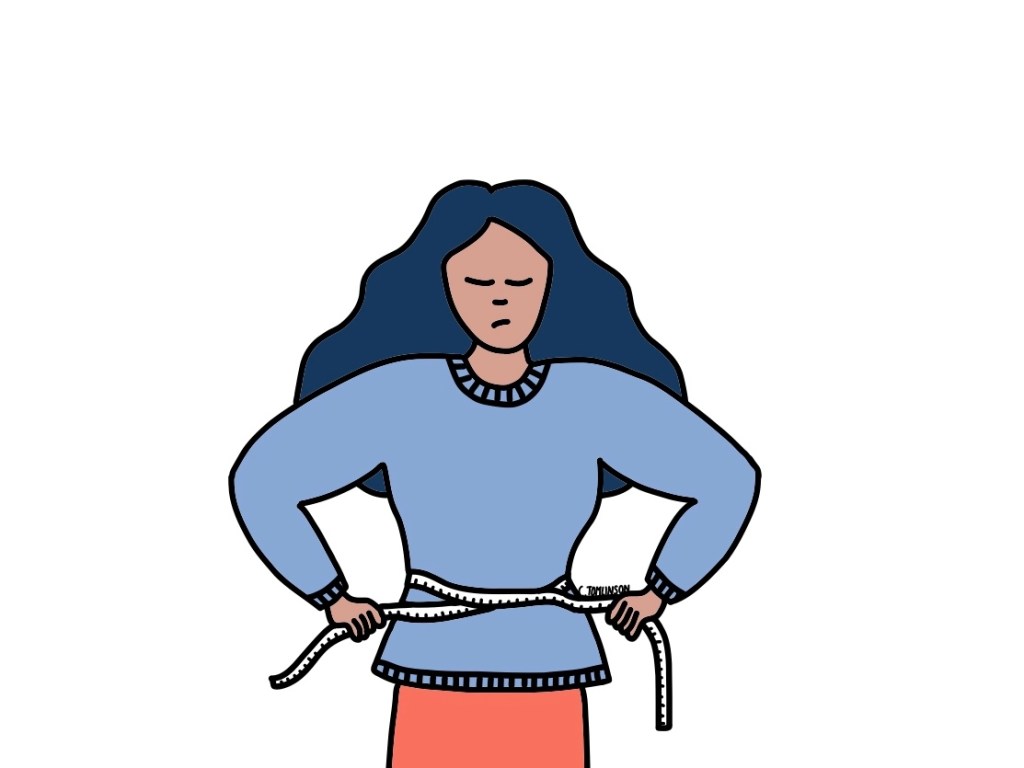
Anorexia nervosa is a serious mental health disorder characterised by significantly low body weight for an individual’s height, age, developmental stage, or weight history, driven by intentional behaviours to prevent weight restoration. Importantly, the low weight is not due to another medical condition or lack of access to food, but results from persistent patterns of restrictive eating and other weight-control behaviours.
Under the ICD-11 classification, a commonly used threshold for adults is a body mass index (BMI) below 18.5 kg/m², and for children and adolescents a BMI-for-age below the 5th percentile. However, anorexia can also be diagnosed in people who experience rapid and significant weight loss — for example, losing more than 20% of body weight within six months — even if they have not yet crossed a specific BMI threshold. In children and adolescents, anorexia may present as a failure to gain weight as expected, rather than overt weight loss.
Anorexia typically affects adolescents and young people, though it can occur at any age. If you haven’t read it already, I recommend reading guest writer Shubhaa Forrest’s article on The Patient Portal, where she shares her experiences of being diagnosed later in life — read this by clicking here.
Contents
- What is anorexia?
- Key signs and symptoms of anorexia
- Patterns and severity of anorexia
- Causes and risk factors for anorexia
- Physical and mental health Impacts of anorexia
- Recognising anorexia in yourself or a loved one
- Treatment and recovery options
- Coping strategies and self-care during recovery
- Resources and support for anyone affected by anorexia
- In summary
DISCLAIMER:
While I am a practising doctor, the information on this site is for educational purposes only. It does not take into account your personal circumstances, which can significantly affect medical decision-making and treatment. This content therefore does not constitute medical advice, and should not be relied upon for diagnosis or treatment. Always consult a qualified healthcare provider regarding any health concerns.
This article was published on the 02/02/2026 using up-to-date sources at that time. Please be aware that medical information and guidelines change often.
Key signs and symptoms of anorexia
Low body weight in anorexia is accompanied by a persistent pattern of behaviours aimed at maintaining that weight, typically driven by an intense fear of weight gain or an overvaluation of body weight or shape. These behaviours may include:
- Restricting food intake through fasting, choosing very low-calorie foods, eating extremely slowly, or hiding or discarding food
- Purging behaviours, such as self-induced vomiting or misuse of laxatives, diuretics, or insulin omission in diabetics
- Behaviours that increase energy expenditure, including excessive exercise, motor restlessness, deliberate exposure to cold, or misuse of weight-loss medications
Central to the diagnosis is a disturbance in self-evaluation. Body weight or shape becomes a dominant measure of self-worth, or is inaccurately perceived as normal or excessive, despite clear evidence that an individual is underweight. This preoccupation may be expressed through repeated weighing, constant calorie monitoring, body-checking behaviours, or, conversely, extreme avoidance of mirrors, scales, or fitted clothing.
It is important to note that an explicitly stated fear of weight gain is not required for diagnosis. In some individuals — particularly children, older adults, or people from different cultural backgrounds — fear of fatness may not be verbalised, but the intentional behaviours that maintain low weight are still present.
Patterns and severity of anorexia
The ICD-11 recognises anorexia across a spectrum of severity, reflecting the level of medical risk:
- Anorexia nervosa with significantly low body weight
- BMI between 18.5 and 14.0 kg/m² in adults
- Anorexia nervosa with dangerously low body weight
- BMI below 14.0 kg/m² in adults, associated with a substantially increased risk of serious medical complications and mortality
- Anorexia nervosa in recovery with normal body weight
- Diagnosis may be retained during recovery until healthy weight is maintained and weight-reducing behaviours have ceased for a sustained period
Anorexia nervosa may also be described by patterns of weight-related behaviours too:
- Restricting pattern, where weight loss is achieved through restriction and/or excessive exercise
- Binge–purge pattern, where episodes of binge eating or purging behaviours occur alongside low body weight
A common misconception is that binge-purging behaviours are always indicative of bulimia nervosa, not anorexia. This is not actually the case. According to the ICD-11, anorexia can be distinguished from bulimia due to the individual’s very low body weight
Causes and risk factors for anorexia
The exact cause of anorexia is unknown, though it is felt likely to be due to a complex interplay of biological, psychological, and social factors:
- Biological: Family history of anorexia or mental health conditions, female gender, and genetic predisposition can increase risk.
- The risk of developing any eating disorder is between 7-12 times higher in people with a family history of an eating disorder.
- Psychological: Traits such as perfectionism, low self-esteem, body dissatisfaction, neurodivergence, anxiety or past trauma may contribute to the development of anorexia.
- Social: Societal “beauty standards”, peer influence, media exposure, social isolation, and stressful life events can trigger disordered eating behaviours.

To note: “Ana” on social media
On social media, some communities romanticise or glorify anorexia, often using the term “Ana” as a shorthand for the disorder. These spaces can promote harmful behaviours, share restrictive eating tips, and reinforce secrecy, shame, and comparison, making recovery more difficult. It’s best to avoid this content and instead seek support from trusted, evidence-based resources.
Physical and mental health Impacts of anorexia
How anorexia affects the body physically
Chronic restriction of food intake can lead to:
- Severe weight loss and muscle wasting
- Weak bones and osteoporosis, which increases the risk of fractures
- Low blood pressure and slow heart rate
- Gastrointestinal problems, e.g., constipation and dehydration
- Fertility issues (which may be irreversible) or menstrual irregularities in women
- Increased susceptibility to infections due to weakened immunity (neutropenia – low neutrophils, which help fight infections)
- Dry skin, alopecia (hair loss), and lanugo hair (fine, soft hair on the chest, arms, back, and face)
- Arrhythmias (abnormal heart rhythms) and sudden death
- Impaired temperature regulation and hypothermia (low body temperature)
Most deaths related to anorexia are due to medical complications of starvation, highlighting the serious, potentially life-threatening nature of the disorder.
Emotional and cognitive effects of anorexia
Anorexia can also have significant effects on mental health:
- Anxiety and depression
- Obsessive thoughts about food, weight, and body image
- Difficulty concentrating or making decisions
- Feelings of shame, guilt, or isolation
- Mood swings and irritability
- Cognitive impairment (problems with memory or thinking)
Recognising anorexia in yourself or a loved one
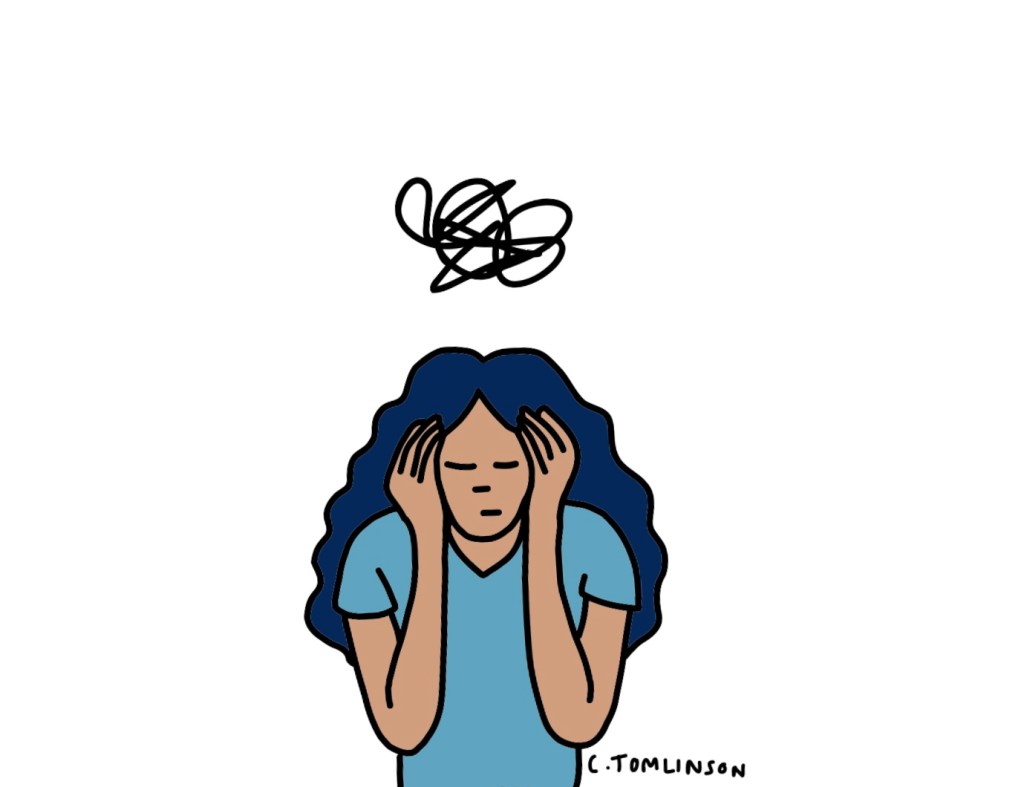
If you suspect someone may be struggling with anorexia, look for behavioural, emotional, and physical warning signs:
- Skipping meals or eating very small portions
- Excessive exercise or food rituals
- Expressing dissatisfaction with body image despite being underweight
- Social withdrawal or avoidance of food-related events
- Mood changes such as irritability, anxiety, or depression
If you notice these signs in yourself or someone else, seek professional help early. Early intervention improves outcomes and reduces the risk of long-term health complications.
Raising concerns with a loved one
Bringing up your worries can feel difficult — you may worry about making things worse, saying the wrong thing, or upsetting them. Sadly I know this feeling all too well, and it can be really tricky. Here are some pointers that helped me:
- Choose a safe time and place where you won’t be disturbed, and approach them with empathy rather than judgment.
- Focus on feelings, not food or weight, acknowledging your concern for their wellbeing rather than criticising behaviour.
- Mention things that have concerned you, though be mindful not to list too many, as they may feel as if you’ve been “watching” them.
- Be prepared to listen and offer support, rather than trying to “fix” things immediately.
- Encourage professional help, offering to accompany them to a GP or support service if they want.
Beat has a really helpful guide on talking to someone you’re worried about, which you can find here.
Treatment and recovery options
Recovery from anorexia nervosa usually requires specialist, multidisciplinary (MDT) care that addresses both the physical effects of malnutrition and the underlying psychological drivers of the illness.
Professional therapies
GPs are generally the first port-of-call in terms of accessing medical support for anorexia. They are able to assess you and refer onto specialist services as needed.
For adults, NICE clinical guidelines recommend specialist eating-disorder-focused therapies, including:
- CBT-ED (cognitive behavioural therapy for eating disorders), which addresses thoughts and behaviours that maintain anorexia
- Maudsley Anorexia Nervosa Treatment for Adults (MANTRA), which focuses on emotional, interpersonal, and thinking-style factors linked to the illness
- Specialist supportive clinical management (SSCM), combining psychological support with nutritional guidance
If these approaches are not suitable or effective, focal psychodynamic therapy (FPT) may be considered. This type of therapy focuses on how unconscious emotional conflicts, relationship patterns, and past experiences, contribute to anorexia.
For children and young people, first-line treatment is family therapy for anorexia nervosa (FT-AN), which actively involves caregivers in supporting weight restoration and recovery. If FT-AN is not appropriate or effective, individual CBT-ED or adolescent-focused psychotherapy (AFP-AN) may be offered.
Some people may require day patient or inpatient care, where close physical health monitoring is needed, depending on overall medical risk.
Medical support
Monitoring should also include bone health assessment, as prolonged undernutrition can lead to osteopenia or osteoporosis, increasing fracture risk. In some cases, this may involve bone density (DEXA) scanning and longer-term follow-up.
Individuals may also need regular blood tests to check for electrolyte abnormalities and refeeding syndrome.
To note: Refeeding syndrome
Refeeding is the process of gradually increasing nutrition after a period of starvation or severe undernutrition.
If food or calories are reintroduced too quickly, it can trigger refeeding syndrome — a dangerous shift in fluids and electrolytes (low phosphate, potassium, and magnesium) caused by a sudden spike in insulin, the hormone that helps the body use sugar from food. This can affect the heart, brain, and other organs. For this reason, refeeding in anorexia nervosa is done slowly and under medical supervision, with close monitoring of blood tests and physical health.
Nutritional rehabilitation
Nutritional rehabilitation is a core part of recovery and is usually supported by specialist dieticians within eating disorder services. The focus is on restoring regular eating patterns, improving nutritional adequacy, and reducing fear around food, rather than on calories alone. Meal plans are typically introduced gradually and adjusted as recovery progresses.

Coping strategies and self-care during recovery
Recovery from anorexia is gradual and requires both professional care and personal strategies:
- Establish regular eating patterns with support from a dietitian or clinician
- Practice self-compassion and mindfulness to reduce guilt and self-criticism
- Limit exposure to triggering content on social media or diet-focused media
- Engage in gentle, supervised exercise if recommended by a professional
- Seek ongoing support from friends, family, or peer groups (e.g., Beat, NHS support services)
- Focus on holistic wellbeing, including hobbies, social activities, and stress management
Remember — recovery is not linear, and setbacks are common. Each small step forward is progress, and seeking help when you need it is a sign of strength, not failure. With ongoing support, treatment, and self-care, many people go on to regain health, confidence, and a sense of balance in their lives.
Resources and support for anyone affected by anorexia
Support is available for anyone experiencing anorexia or concerned about a loved one. You are not alone. You can access support through a combination of professional services, charities, and peer support networks:
- Your GP is usually your first port-of-call, as they are able to assess you and coordinate your care.
- Local support groups – Many areas have community-based support groups, often run in partnership with NHS trusts or charities. Ask your GP or local mental health services for details.
- Beat – The UK’s leading eating disorder charity, offering a support helpline, peer support groups, online forums, and guidance for patients and families.
- YoungMinds – Guidance for parents supporting children and young people with eating disorders.
- NHS website – Comprehensive, trustworthy information on eating disorders, symptoms, treatment options, and local services.
- Mind – Provides information, advice, and local service guidance for people experiencing mental health difficulties, including eating disorders.
In summary
Anorexia nervosa is a serious but treatable mental health condition that affects people of all ages and genders. It has wide-ranging physical and psychological impacts, but early recognition, professional treatment, and supportive networks can greatly improve outcomes.
If you or a loved one is struggling with anorexia, remember you are not alone. Struggling with anorexia can feel isolating, but support is available, and recovery is possible. Reaching out to a healthcare professional, a trusted friend, or a UK charity like Beat can be the first step toward regaining control, health, and hope. Every small step forward matters, and asking for help is a sign of strength, not weakness.
If you have personal experience with anorexia, either yourself or as a loved one, and feel comfortable sharing, I’d be grateful to hear your story. What coping strategies or support networks helped you along the way? Have you found it difficult to talk to friends or family about your concerns? Sharing is completely optional, but your experiences could help others feel less alone. Feel free to leave or comment or to email me at thehealingnarrativeblog@gmail.com.

 The Health and Healing Narrative
Leave a comment