
By Derek Miao, clinical pharmacist and medical writer
If your doctor recently recommended a statin, you may be wondering what it is and why it matters. You may also have heard conflicting information or myths about statins — so what’s actually true?
Let’s dive in and break it down to plain language!
Contents
- What are statins?
- Why are statins important?
- Diabetes and high cholesterol
- What are the benefits of Statins?
- When are statins prescribed in the UK?
- Blood tests before starting Statins
- Common side effects
- Statins myths vs facts
- If you’re having side effects
- Tips for staying on track
- The bottom line
- About the author
DISCLAIMER: While I am a practising doctor, the information on this site is for educational purposes only. It does not take into account your personal circumstances, which can significantly affect medical decision-making and treatment. This content therefore does not constitute medical advice, and should not be relied upon for diagnosis or treatment. Always consult a qualified healthcare provider regarding any health concerns.
This article was written by a guest writer, and published on the 16/02/2026 using up-to-date sources at that time. Please be aware that medical information and guidelines change often.
What are statins?
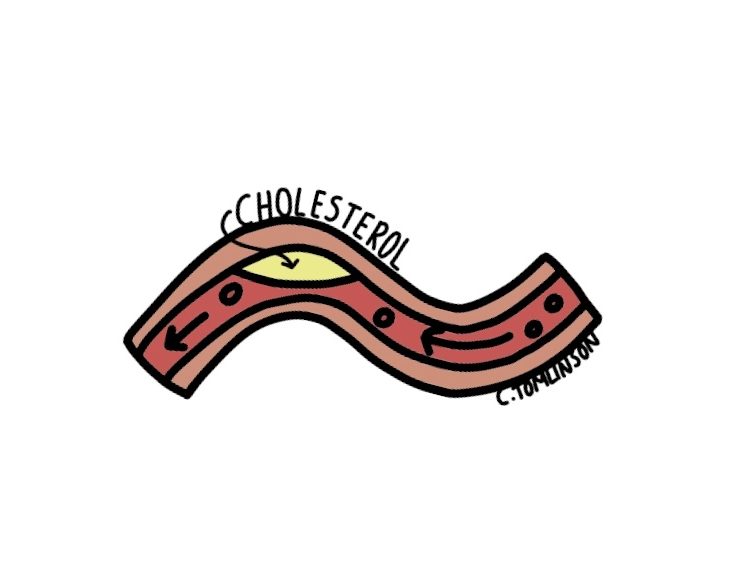
Statins are medications that lower cholesterol levels in your blood, especially LDL cholesterol, often referred to as “bad” cholesterol. They work by blocking a special protein in your liver that is involved in making cholesterol, known as HMG-CoA reductase. When LDL is lower, less fatty plaque builds up in your arteries, so blood can flow more easily to your heart and brain.
Statins also act to stabilise the fatty plaques in your arteries. Without this stabilisation, plaques can rupture, triggering blood clot formation that may block blood vessels. If this happens in the coronary arteries, it can cause a heart attack; if blood flow to part of the brain is blocked, it can cause an ischaemic stroke (when reduced blood supply damages brain tissue). By keeping plaques stable, statins reduce this risk, even in people whose cholesterol isn’t extremely high.
Why are statins important?
Statins are one of the most widely studied medications for reducing the risk of a stroke or a heart attack. They are especially helpful if you:
- Have a history of a heart attack or stroke
- Have diabetes
- Have high cholesterol or a family history of heart disease
- Have chronic kidney disease
This is because all of the above can increase your risk of strokes or heart attacks.

Diabetes and high cholesterol
Even if your cholesterol isn’t high, people with diabetes are often prescribed statins because high blood sugar can raise cholesterol and heart disease risk.
High blood sugar can affect your blood vessels in multiple ways: when your body has more glucose than it needs for energy, and no more can be stored in the liver or muscles as glycogen, the liver converts the extra sugar into fat, which can build up in your blood vessels and organs. Persistently elevated glucose also damages the lining of blood vessels and promotes inflammation, making plaques more likely to form and less stable (so bits can break off). Over time, this increases your risk of heart disease and stroke, so statins help reduce that risk even if your cholesterol levels look normal.

What are the benefits of statins?
- Lower risk of heart attacks and strokes, which can lower the risk of death.
- When taken by people who have never had a heart attack or stroke, this is called primary prevention.
- When taken by people who have had a heart attack or stroke, this is called secondary prevention — the aim is to reduce the risk of it happening again, and there is good evidence to show that it can help people with heart disease live longer.
- Slow the progression of atherosclerosis (hardening of the arteries).
- Atherosclerosis is when fatty buildup inside your blood vessels makes them narrow and stiff, reducing blood flow and increasing the risk of heart attack or stroke.
- Atherosclerosis is when fatty buildup inside your blood vessels makes them narrow and stiff, reducing blood flow and increasing the risk of heart attack
When are statins prescribed in the UK?
In the UK, doctors often use a tool called the QRISK score to estimate your 10-year risk of developing heart disease or stroke. Statins are generally offered if your risk is 10% or higher, or sooner if you have certain conditions, such as:
- A history of heart attack or stroke (as secondary prevention)
- Diabetes
- Familial (inherited) high cholesterol
This approach helps doctors focus treatment on people who are most likely to benefit, even if their cholesterol isn’t very high.
Statins are not suitable for everyone. They should not be prescribed to people with active liver disease or very high liver enzyme levels, or to women who are pregnant, breastfeeding, or planning to become pregnant without using effective contraception. If you plan to conceive, statins should be stopped at least three months before trying and only restarted once breastfeeding is finished.
Blood tests before starting statins
Before starting a statin, doctors usually check a few blood tests to make sure the medication is safe for you. These tests provide a baseline so your doctors can monitor your health and adjust treatment if needed:
- Cholesterol levels (total cholesterol, LDL, HDL)
- Liver function tests (AST/ALT) to check your liver. These will be repeated 2-3 months after starting or changing treatment
- Kidney function
- Thyroid function (in patients with symptoms of an under/overactive thyroid), and blood sugar in patients at high risk of diabetes
- Creatine kinase in patients who have persistent and generalised muscle aches and pains. Creatine kinase is an enzyme found in muscle, so a raised level can suggest muscle damage
Common side effects
Most people tolerate statins very well. Some may experience mild side effects, including:
- Muscle aches or stiffness
- Mild digestive issues, such as nausea or diarrhoea
- Headache
Statins myths vs facts
Myth 1: “Statins always ruin your muscles.”
Fact: Mild muscle aches are fairly common (with around 11 people in 1000 on a moderate intensity statin reporting mild muscle aches), but serious muscle damage is rare. Often, changing the dose or switching to another statin can help.
Myth 2: “Statins destroy your liver.”
Fact: Serious liver damage from statins is very uncommon. Small changes in liver blood tests usually do not mean your liver is failing and usually due to other causes. Some people may have a small, temporary rise in liver enzymes (AST or ALT) when starting a statin. This is usually mild and often resolves on its own.
Editor’s note: Many people can still drink alcohol while taking statins, but moderation is important because both alcohol and statins are processed by the liver. Plus, drinking alcohol increases your risk of heart attacks and stroke. If you have liver disease or drink heavily, speak to your doctor for personalised advice.
Myth 3: “If I feel fine, I do not need my statin.”
Fact: High cholesterol usually has no symptoms, but it silently increases your risk of heart attacks and strokes over time. Statins lower that risk even if you feel perfectly well and you will not feel high cholesterol.
Myth 4: “Stopping my statin for a while is no big deal.”
Fact: Stopping your statin can quickly undo its benefits and raise your risk of serious heart problems.
Skipping doses or stopping it can lead to higher cholesterol, more plaque in your arteries, and increased risk of heart attack or stroke. It also leads to more hospital visits and higher healthcare costs.
Editor’s note: You may be advised that you need to stop your statin temporarily if it interacts with other medication. A common example of this is if you are prescribed the antibiotics erythromycin or clarithromycin. Most statins will need to be held whilst taking these antibiotics, and restarted once the course finishes.
Other medications and foods that you eat can interact with statins too. For example, it’s important to avoid grapefruit with most statins, because it can affect the dose.
Always check with your doctor if unsure.
If you’re having side effects
Don’t stop your statin on your own. Talk to your doctor. You may be able to:
- Try a different statin
- Lower the dose
- Take a short break and restart
There’s almost always a way to make it work for you.
Editor’s note: Some statins are lipophilic (fat-soluble) and others are hydrophilic (water-soluble), meaning they behave slightly differently in the body. Lipophilic statins include atorvastatin and simvastatin, while hydrophilic statins include rosuvastatin and pravastatin. These differences can influence how people experience side effects. If one statin doesn’t suit you, switching to another or adjusting the dose often solves the problem — so side effects don’t usually mean you need to stop statins altogether.
Tips for staying on track
- Take it at the same time (usually at nighttime), as this is when your body makes the most cholesterol
- Use a pill organiser or reminder app
- Talk to your pharmacist about concerns, they may be able to issue you a blister pack if you take lots of medications
- Don’t rely on supplements to replace statins
- Remember statins are a long-term investment in your heart health.
Editor’s note: Short-acting statins like Simvastatin should generally be taken at a nighttime, though longer-acting statins like atorvastatin can generally be taken at any time of the day. The most important thing is that they’re taken at the same time each day. Make sure to follow the advice of your doctor, or check your prescription if unsure.

The bottom line
Statins are proven to reduce the risk of heart attack and stroke and can be life-saving for many people. They lower your risk of heart problems, especially if you have diabetes or other risk factors. They work best alongside healthy lifestyle habits — such as balanced nutrition, regular physical activity, and stopping smoking — which remain important parts of protecting your health. Don’t let myths or fear stop you from taking a medication that could protect your future. If you have questions, talk to your healthcare provider.

More resources
1. NHS – Cholesterol and statins
Comprehensive NHS guidance for patients on what statins are, how they work, side effects, and lifestyle advice.
2. British Heart Foundation (BHF) – Statins
Clear explanations of cardiovascular risk, why statins are prescribed, and tips for heart-healthy living. They also have a really good page looking at the evidence behind statin use – click here for more.
3. Heart UK – The Cholesterol Charity
Patient-focused guidance for cholesterol management, statins, and lifestyle measures.
4. Diabetes UK – Cardiovascular risk in diabetes
Explains why people with diabetes often need statins and how to reduce cardiovascular risk.
5. NHS – Healthy lifestyle advice
Tips on diet, exercise, alcohol moderation, and quitting smoking to complement statins.

Hi! I’m Derek, a clinical pharmacist and medical writer from the sunny state of California. Yes, I do live near Disneyland, and unfortunately no, I do not go to the beach everyday (though I probably should).
I have spent over 10 years in healthcare helping people make sense of their medicines and make informed choices for their health. My favorite part of being a pharmacist is empowering patients with the clinical and scientific knowledge they need to take charge of their own wellbeing. You can find him on LinkedIn here.
When I’m not writing or talking about medications, I’m trying to spend as much time with my wife and kids, who keep life joyful and just the right amount of chaotic.
 The Health and Healing Narrative
Leave a comment