
Did you know that the most common health condition reported by the working age population within the UK was depression, “bad nerves” and anxiety?
“It is time to prioritise mental health in the workplace”.
Today it is World Mental Health Day, and the spotlight this year (as set by the World Federation for Mental Health – WFMH) turns to an often-overlooked aspect of our daily lives, mental health in the workplace. This year’s theme encourages us to look more closely at how the environment in which we work impacts our psychological wellbeing and vice versa, and we’re going to focus on this in this first blog post today.
CONTENT WARNING – this article discusses suicide within healthcare practitioners, within the section “Mental Health in the NHS”. It contains statistics which may be distressing to read.
Contents.
- How can our working environment affect our mental health?
- What can we do to help people with their mental health, with a mental illness or burnout? For Employers.
- What can we do to help people with their mental health, with a mental illness or burnout? For Employees.
- Mental health in the NHS.
- Workplace mental health from a global perspective.
- Looking ahead.
- In summary.
How Can Our Working Environment Affect Our Mental Health?
Work can be both a protective factor and risk factor for poor mental health, mental illness, and burnout*.
A fulfilling job can provide a sense of purpose, an abundant social network, structured routines, and financial stability.
However, the job that we do can take a toll on us mentally for the following reasons too:
- High job demands, excessive workloads and understaffing, as well as often long and unsociable hours (including shift work). This increases the risk of stress and burnout, can affect sleep, and cause fatigue.
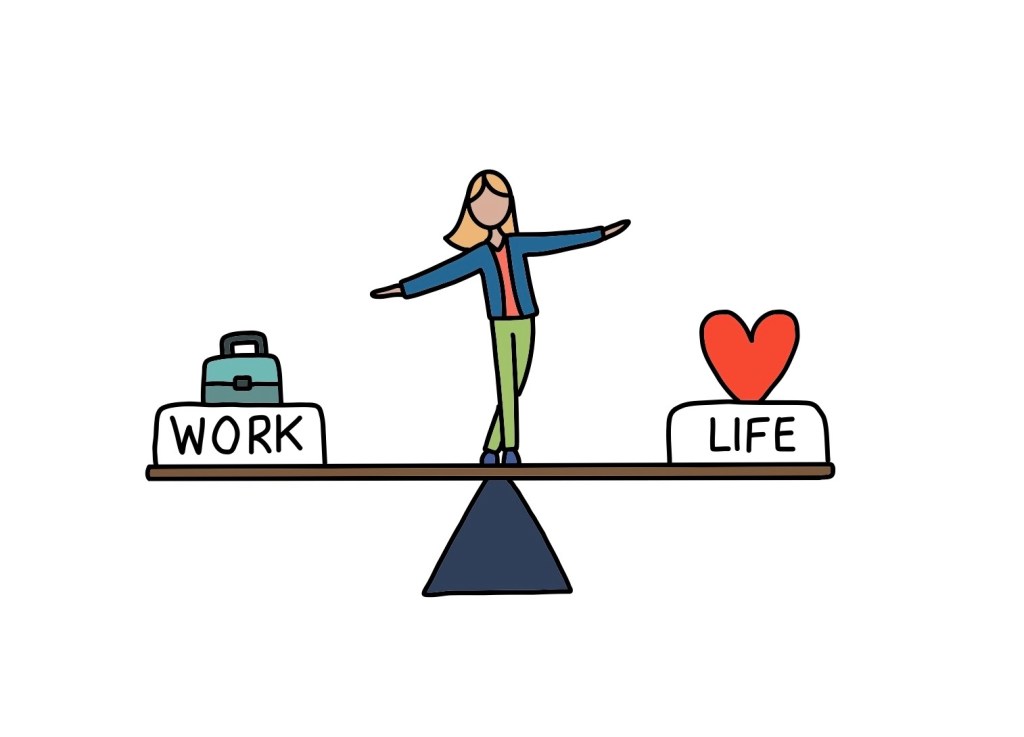
- Lack of work-life balance. This can put strain on personal relationships outside of work, limits the time available for self-care and stress relief, and lead to feelings of guilt about neglecting personal life.
- Workplace bullying or harassment. This can lead to low self-esteem, as well as mental illnesses such as anxiety and post-traumatic stress disorder (PTSD), increased feelings of negativism relating to the job and increased absenteeism.
- Job insecurity, poor pay, and modest investment in career development. This can lead to low job satisfaction, feelings undervalued, financial stress, and feelings of hopelessness about future projects.
- Lack of autonomy over job design/workload. This can manifest as feelings of frustration, increased stress, lower sense of accomplishment and overall reduced job satisfaction.
- Organisational culture that facilitates negative practices and behaviours (i.e., normalised toxic behaviours including blame culture, unapproachable leaders, and micromanaging). This can lead to fear and anxiety about speaking up, lack of trust in employers, and internalisation of negative attitudes.
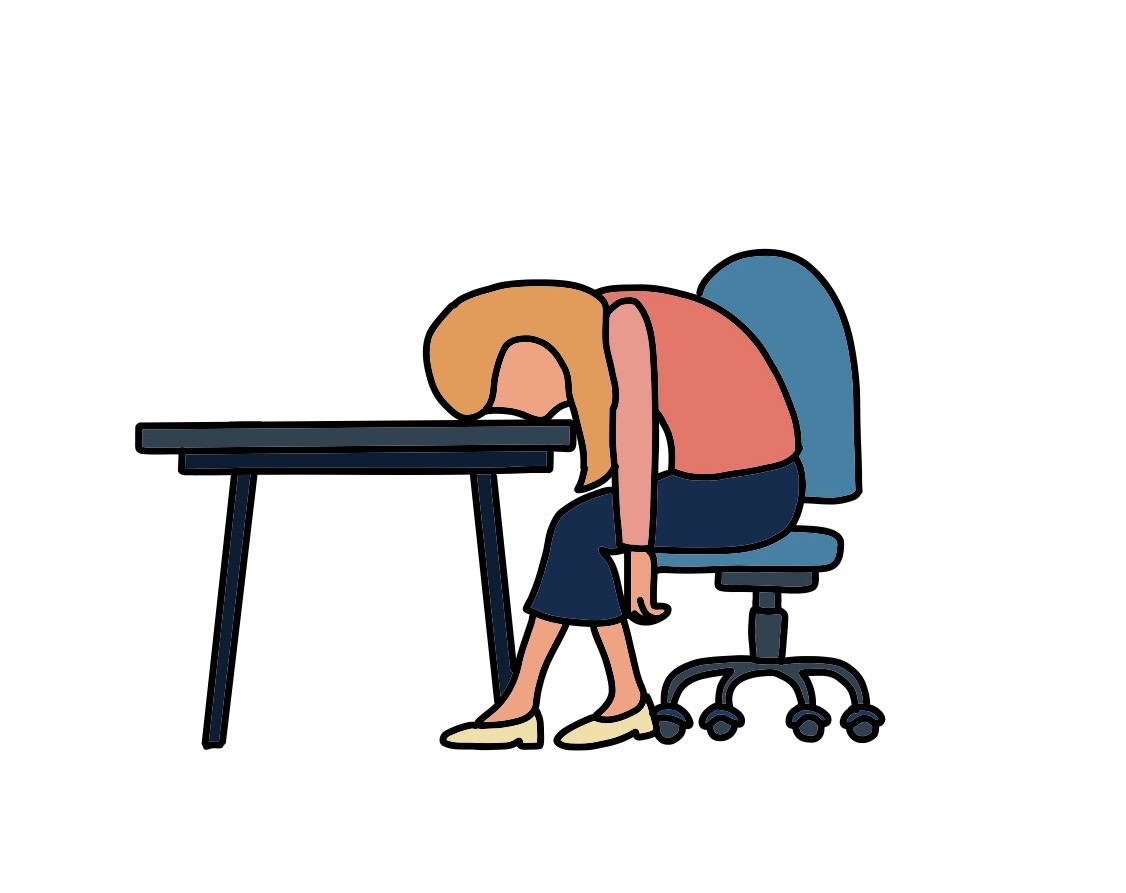
*Burnout is an occupational phenomenon, and is listed as a separate entity to mental illness within the ICD-11** – it is defined as a “syndrome conceptualised from chronic workplace stress that has not been successfully managed” characterised by “feelings of energy depletion and exhaustion”, “increased mental distance from one’s job or feelings of negativism to one’s job”, and a “sense of ineffectiveness and lack of accomplishment”.
Though a separate entity, burnout can increase the risk of mental illness. Also, unlike mental illness, workers suffering from burnout may find that once they are away from the work environment their symptoms improve.
According to the World Health Organisation (WHO), 15% of working-age adults were believed to have a mental illness. Similarly, over the past decade, the number of workers aged 16-24 who report that mental health limits the work that they do has increased more than four-fold.
Not only does this have a huge impact on a personal level, but on the economy too – an estimated 12 billion working days are lost worldwide each year to depression and anxiety, costing around 1 trillion US $ in lost productivity according to the WHO. Work-related stress and burnout is similar, resulting in an estimated 23.3 million sick days in the UK alone in 2022, costing the UK economy around £28 billion.
What Can We Do To Help People With Their Mental Health, With a Mental Illness or Burnout?
For Employers:
Offer mental health support services and implement awareness initiatives through developing a comprehensive mental health policy – such as counselling or organising training sessions respectively.
Encourage open dialogue to reduce stigma – A study by Mind showed that 19% of people felt they couldn’t tell their boss they were overly stressed, and of only 10% of people who had been diagnosed with a mental illness had told their boss about their diagnosis. Open communication about mental health and mental illnesses helps promote a safe environment where employees feel comfortable talking to their employers about their experiences.
Manager training to improve awareness – so that people in leadership positions are better able to pick up on the signs and have effective early conversations with staff members about their mental health.
Reasonable adjustments – a mental illness can be considered a disability under the Equality Act of 2010, meaning the employer has a legal obligation to make reasonable adjustments. This could include flexible hours or a change in working hours, a change of workspace, or increased supervision/support to name a few. They also have a general duty of care and responsibility for their employee’s health, so even in those without a formal diagnosis of a mental illness that may be suffering with their mental health, adjustments should be made to help.
Promote work-life balance – for example, by encouraging employees to take their leave and ensure they can do so, offering flexible working arrangements where possible, or (and particularly for NHS workers!) facilitate people leaving on time.
Team days – If your colleagues work from home or have a hybrid working arrangement, encourage “team days”where everyone can catch up, work on a project together or have a meeting. This helps strengthen relationships between colleagues and allows you to “check in” with everyone.
For Employees:
Prioritise self-care – make time to do the things that you love.
Communicate openly with managers and see Occupational Health at work– be candid about the way that you’re feeling early on, so that they can help and support you. Occupational Health is a type of medical service, and the team can help come up with solutions so help keep you at work.
Stay informed and support others – be aware of early signs that someone is struggling mentally and know the support mechanisms that are in place to help, so that you can help them.
Leave work on time – this is one I hear consistently from my NHS colleagues, and it’s such an important one. Staying an hour late one night might not seem like much, but you’d be surprised how this can take a toll on you, especially if it’s happening regularly. It’s not always easy but that’s what handover is for! Make sure you use it.
Be selfish with your time – do the things you want to do, not the things that you don’t. Practice saying “no” more.
If working from home/hybrid working, make time to check in with your colleagues, and try attend the office at least once a week. This helps you strengthen connections with colleagues and reduces risk of isolation and loneliness.
Mental Health In The NHS:
Mental health in NHS workers is a growing concern, with a recent survey showing alarming statistics. 76% of NHS staff have experienced poor mental health in the past year with anxiety, low mood and exhaustion being common issues. Anxiety/stress/depression/psychiatric illness is consistently the most reported reason for sickness – in March 2024, it accounted for 27.2% of absences.
It is also estimated that one doctor dies every ten days in the UK by suicide, and though there has been a decline in suicide rates amongst doctors, the rate remains higher for female doctors when compared to the general population. Around 6500 healthcare practitioners in the UK access NHS Practitioner Health, a free confidential mental health service for NHS Doctors and Dentists, and around 1/3 have already had suicidal thoughts when they register.
A survey by Mind looking at mental health amongst ambulance crew has found that 91% of personnel have experience stress, low mood or poor mental health whilst working for the ambulance service, and they are nearly 3x more likely to identify problems at work as their main cause of their mental health problems than the general workforce population.
The demanding nature of healthcare work including high exposure to death, trauma, and bereavement, exacerbated by chronic workforce shortages (nearly one in 10 posts across the NHS are vacant), high patient demand, moral distress that can result from making mistakes, forbidding rotas, and the lingering effects of the COVID-19 pandemic have all contributed to this mental health crisis.
Earlier this year, however, a new £16 million NHS workforce wellbeing programme (that has been co-designed with NHS staff), has been launched in England and will run for 3 years. This funding will be used in ways that are tailored to the individual needs of each NHS organisation or Trust. While this is a start, the scale and persistence of the problem suggests that more systemic changes may be needed, for example addressing underlying issues such as staffing shortages, organisational culture, and investing in expanding and improving existing mental health support services e.g., Practitioner Health.
Global Perspective:
“Karoshi syndrome”, also known as “death by overwork”, has been a concern in Japan since the 1980s. It can occur in people who have >55h working week and refers to a group of conditions that results from chronic stress and overwork, including cardiovascular and cerebrovascular diseases e.g., heart attacks and strokes, that can ultimately cause premature death. In 2014, the Japanese government passed the “Act on Promotion of Preventive Measures against Karoshi and Other Overwork-Related Health Disorders”, which involved limiting overtime hours, raising awareness about mental health issues, and promoting work life balance.
Many Nordic countries have implemented shorter workdays, allowing for a better work-life balance. Denmark, for example, has the second shortest working week in the world with the minimum required being 33 hours a week; despite this, it is one of the world’s top ten countries in terms of productivity. Recent trials of a 4-day working week in Iceland have shown that productivity and service provision remained the same, yet worker well-being dramatically increased – 86% of the country’s workforce are now working shorter hours as a result.
Looking Ahead:
The rise of remote and hybrid work models presents both challenges and opportunities for improving mental health. On one hand, with no commute there may be more time for leisure time, and gives workers more autonomy and flexibility to manage their working life; one study found that 96% of workers believe that a remote/hybrid working arrangement would be best for their mental health. However, it may mean that you don’t see your colleagues as often, and loneliness and isolation can be a huge detriment to our mental health. Finding the balance that works for you is key.
“Psychological safety” in teams is gaining traction and may become a key indicator of business performance. It is a term used to describe feeling safe to take interpersonal risks such as speaking up, disagreeing openly, and raised concerns without the fear of negative consequences. It is the foundation of a healthy and productive workplace, and the key to any high performing team. It is achieved through commitment to leadership, building strong relationships, recognising efforts, and establishing clear expectations. The fact awareness of this is growing suggests there may be more of a push from businesses to safeguard the mental health of their workers.
In Summary:
The place that we work can significantly impact mental health, serving as both a protective factor and a risk factor for mental health issues, mental illness, and burnout.
Key challenges include high job demands, lack of work-life balance, bullying and harassment, job insecurity, and negative organisational cultures. Alarming statistics regarding mental health of NHS workers show that more systemic changes are needed to address these issues; globally, examples such as Japan’s approach to “Karoshi syndrome” and Nordic countries’ shorter working weeks’ illustrate different approaches to improving workplace mental health.
I’d love to hear your thoughts – what is your experience with mental health in the workplace? has the place that you work ever had an effect on your mental health? What strategies have you found effective in maintaining good mental health at work?
Please share your experiences and ideas in the comments below.
Responses
-
-
Thank you so much!
LikeLike
-
-
Death by Karoshi syndrome is so not the one. Shocking stats re suicide / reports of MH in the NHS. Would be interesting to see how this compares to other countries eg US/AUS??
LikeLike
-
I agree – I was really shocked when researching it.
In the US rates are higher, albeit the population larger. Figures seem to quote between 300-400 doctor suicides/ year.
In Australia too, female doctors are 2.27x as likely to take their own life when compared to the general population, and male doctors 1.41x.
These are quite shocking stats as there seems to be a common theme worldwide with rates being higher amongst healthcare workers – very sad to hear but important to share. Time for a real push worldwide to prioritise mental health, so we can look after those who look after others.https://amp.theguardian.com/us-news/2023/sep/26/surgeons-suicide-doctors-physicians-mental-health
https://www1.racgp.org.au/newsgp/professional/you-are-not-alone-call-for-action-amid-spate-of-gp
LikeLike
-


Resources:
For managers and employees:
https://www.mind.org.uk/workplace/mental-health-at-work/taking-care-of-your-staff/useful-resources/
https://mhfaengland.org/mhfa-centre/resources/
For healthcare workers:
https://www.practitionerhealth.nhs.uk
NHS staff have free access to multiple health and wellbeing apps:
https://www.england.nhs.uk/supporting-our-nhs-people/support-now/wellbeing-apps/
References:
Most citations and references are hyperlinked – see highlighted text within article.
Thank you to my friends and colleagues for helping with ideas for this post.
https://www.mckinsey.com/featured-insights/mckinsey-explainers/what-is-psychological-safety#
 The Health and Healing Narrative
Leave a reply to Olivia Catchpole Cancel reply