
In the modern world, we often view sleep as a luxury, not a necessity, due to the numerous demands on our time – jobs, relationships, hobbies, the list goes on – it’s easy to overlook the vital role that sleep plays on our health and wellbeing. Together in this blog post, we’ll explore the profound impact that sleep has on our lives, and why prioritising rest is essential.
Contents.
- What happens when we sleep?
- How much sleep do we need?
- The impact of poor sleep on health.
- The hidden health risks of shift work.
- How to prioritise sleep for better health.
- Tips for shift workers.
- In summary.
Firstly, What Happens When We Sleep?
When we go to sleep, the activity in our brain changes – these changes largely fall into two main categories:
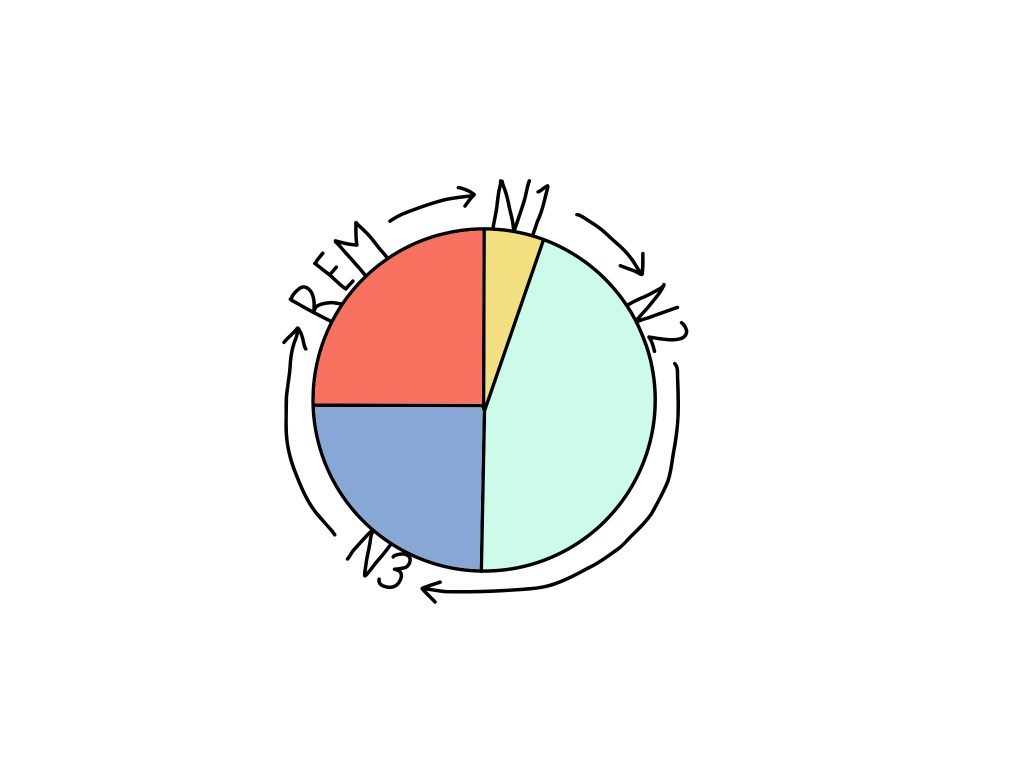
- Non-REM (NREM) sleep (75% of sleep)
- Stage 1 – the transition from being awake to being asleep, only lasts a few minutes.
- Stage 2 – brain activity slows with bursts of electrical activity (which experts put down to your brain organising memory and information from when you were awake), heart rate decreases and muscles relax. This accounts for around 45% of sleep.
- Stage 3 – the deepest stage of sleep, focused on physical repair, muscle and bone building, and immune function. Your body needs this stage so you can wake up feeling rested.
- Rapid eye movement (REM) sleep (25% of sleep)
- Characterised by rapid eye movements (hence the name). This is the stage when people dream, and it is crucial for cognitive functions e.g., emotional regulation and the consolidation of information.
- Brain activity during this time is similar to when you’re awake, though your body remains paralysed to stop you acting out your dreams.
Brain activity during sleep cycles between these two categories every 90-120 minutes throughout the night.
How Much Sleep Do We Need?
How much you sleep you need changes as you grow into an adult; however, the common myth that adults need less sleep as they get older isn’t true – adults of all ages need 7+ hours of sleep. Sleeping patterns can change as we get older, influenced by external factors e.g., health conditions and medications, but the amount of sleep that we need as adults doesn’t.
| Your Age | Recommended Sleep in 24 hours |
| Infants 4-12 months | 12-16 hours including naps |
| Children 1-2 years | 11-14 hours including naps |
| Children 3-5 years | 10-13 hours including naps |
| Children 6-12 years | 9-12 hours |
| Teenagers 13-18 years | 8-10 hours |
| All adults (including older adults) | 7-9 hours |
The Impact of Poor Sleep on Health.
On the cardiovascular system:
During NREM stage 3, heart rate slows and blood pressure drops naturally due to parasympathetic nervous system (PNS) control*. During REM sleep and when awake, the sympathetic nervous system (SNS) is activated, which raises our heart rate and blood pressure. Sleep disruption or deprivation increases SNS activity, leading to sustained higher heart rate and blood pressure.

This puts strain on the heart and blood vessels in the body over time, increasing the risk of hypertension (high blood pressure), heart attacks and strokes.
*Parasympathetic nervous system (PNS) = network of nerves in the body which allow our body to relax after periods of stress or danger; it slows many high energy functions and plays a role in regulating digestion (it allows the body to “rest and digest”).
Sympathetic nervous system (SNS) = network of nerves in the body which help the body activate it’s “fight-or-flight” response when you are stressed, in danger, or physically active. It increases your heart rate and breathing, improves your eyesight, and slows down processes like digestion – all of which would help you get out of danger if you needed to.
On immune function:
Sleep plays a critical role in maintaining and strengthening immune function – our body’s natural defence system that protects us from infections. Parts of the immune system are more active when we sleep, helping our body fight off infections, and evidence suggests that sleep enhances the immune response to vaccines too.
On hormonal regulation in the body:
Sleep deprivation can wreak havoc on our hormonal** balance, too:
- Appetite hormones – Leptin suppresses appetite and Grehlin stimulates hunger. Levels of leptin are typically reduced, whereas grehlin is higher in sleep deprivation, increasing the risk of weight gain and obesity.
- “Stress hormone”, a.k.a. Cortisol – a hormone which increases by around 9 times in stress or illness, and acts to regulate your blood glucose, reduces potentially damaging immune responses to infection and injury, increases appetite and increases the storage of unused nutrients as fat. Cortisol release follows a diurnal rhythm, meaning it is higher first thing in the morning and is at its lowest in the middle of the night. Sleep deprivation disrupts this rhythm, leading to elevated cortisol levels in the evening which can interfere with sleep onset and contribute to immune system dysfunction, raised blood pressure, insulin resistance*** and weight gain.
**Hormones are chemical substances that act as messengers in the body, carrying signals through the blood to different organs.
***Insulin is a hormone that helps the body use glucose (sugar) from foods. Insulin resistance is where the body can’t respond to Insulin as it normally would, and blood glucose levels increase. This increases the risk of type 2 diabetes.
On Mental Health:
Various studies have shown that there is a bidirectional relationship between sleep and our mental health. Poor sleep can contribute to mental health issues such as anxiety and depression, while improving sleep quality can significantly enhance mental wellbeing. It has also been found that there is a “dose-response effect” too – greater improvements in sleep lead to greater improvements in mental health.
On Cognitive Function:
REM sleep plays an important role in the consolidation of memories and learning. Lack of sleep impairs cognitive function such as attention, memory, and decision-making, and as a result, it can lead to decreased productivity during waking hours, difficulty concentrating, and impaired problem-solving abilities.
The Hidden Health Risks of Shift Work.
Shift work poses unique challenges to maintaining health sleeping patterns, and these are challenges I know all too well with working as a clinician in the NHS!
- Increased risk of sleep disturbances (poor sleep quality, insufficient duration, insomnia) – our bodies have a natural circadian rhythm determined by a part of the brain called the suprachiasmatic nucleus. The term “circadian rhythm” refers to the physical, mental and behavioural changes that we experience in a 24-hour cycle, which influences factors such as sleep pattern and appetite. Shift work requires workers to oppose this natural circadian rhythm, so they are much more likely to report sleep disturbances and daytime sleepiness than the public.
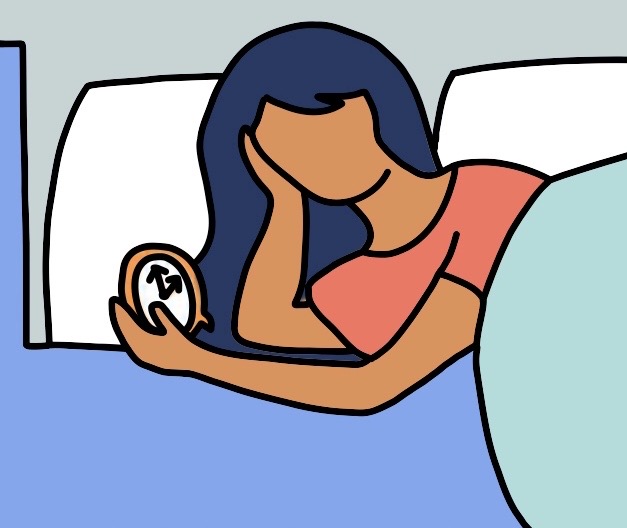
- Occupational accidents – sleep disturbances put shift workers at an increased risk of mistakes and work-related accidents. Hospital workers, for example, have an increased risk of accidents during shifts that are 8+ hours in length, and twilight or night shifts, and the probability of industrial and motor vehicle accidents occurring peaks overnight/in the early hours of the morning.
- Increased risk of chronic health conditions – risk is higher due to the direct effects of disturbed sleep on the body e.g., increased activity of the SNS leading to sustained higher blood pressure, as well rates of physical inactivity being higher amongst shift workers. One study found that eating was more dispersed across the 24-hour day with a greater proportion of calorific intake being at night too, which is in turn linked with higher percentages of body fat and reduced ability to lose weight, further increasing the risk of chronic health conditions such as diabetes and obesity.
- Mental health concerns – mental health issues can stem from sleep disruption as a result of shift work, due to the close two-way relationship between the two as discussed earlier, coupled with the potential strain put on familial and social relationships.
How to Prioritise Sleep for Better Health.
- Maintaining a constant sleep schedule, even on weekends, improves health outcomes. Avoid napping if you can, or limit naps to 30 minutes to help maintain this sleep schedule. This is unfortunately unavoidable with shift work!
- Have a good bedtime routine, allowing you to relax and signal to your body that it’s time to sleep.
- Optimise your sleep environment, and ensure it is dark, quiet, and cool.
- Limit blue light exposure from electronic devices for at least an hour before bed, as it can have a negative impact on sleep quality and duration. If this isn’t possible, switch on the blue light reduced screen filter on your device or use blue light reducing glasses.
- Mind your diet – avoid caffeine, alcohol and large meals close to bedtime. Caffeine is a stimulant and can stay in our blood for between 2-12 hours; avoiding caffeine after lunchtime is generally a good rule. Alcohol affects how long it takes us to fall asleep, and affects the sleep cycle itself, reducing overall sleep quality.
- Exercise regularly, but nothing too strenuous too close to bedtime. This gives your body time to “wind down” after an intense workout session.
- Manage stress, by practising relaxation techniques such as meditation and mindfulness.
- If you’re having trouble sleeping, get out of bed, try a relaxing activity such as reading a book, and return to bed when you start feeling sleepy.
- If you have persistent sleep problems despite the above*, see a healthcare practitioner.
*Despite the common belief that daytime sleepiness means a person isn’t getting enough sleep at night, this is not always true. Yes, it can occur if you don’t get enough sleep, but it can also be the sign of an underlying medical condition e.g., sleep apnoea or a sleep disorder.

Tips for shift workers:
- Consistency is key – depending on your shift pattern you will likely have to change your sleep schedule, but consistency is key. Say you are about to do a run of four nights, try to sleep during the same hours each day, and stick to a good “nighttime” routine regardless of when you’re going to sleep.
- Light management – our bodies use light to help regulate our body clock. If working a night shift, try to keep your working environment as bright as possible, and when at home in the day try to keep your environment dimly lit. If commuting, the common trick is to wear sunglasses on the drive home from a night shift! Just check your sunglasses are suitable for driving prior.
- Create a sleep-conducive environment – e.g., by using blackout curtains or a white noise machine to simulate nighttime sounds during the day.
In Summary:
Quality sleep is not a luxury – it’s a biological necessity. By understanding the intricate relationship between sleep and our health, we can significantly improve our overall wellbeing.
Implement these strategies into your daily routine and experience the transformative power of quality sleep, and make sure to share this article with friends and family who may benefit from understanding how prioritising rest can improve their lives too!
3 responses
-
Excellent entry. Writing this feeling very fragile post 7 nights in a row, and literally all of my bodily functions are out of sync. Whats also very interesting/ relevant is the current research into the differing sleep requirements for women with regards to their cycle + hormonal regulation. The female ‘infradian rhythm’ governing the menstrual cycle is pretty cool and affected by sooo many things such as stress/ weight fluctuations/ lack of sleep which we all encounter working in healthcare!
LikeLike
-
Trying to get back into a normal routine after 7 nights must be a killer! Hope you have a good rest.
That’s very interesting, thank you for sharing. It’s crazy to think that lack of sleep/poor sleep quality affect our bodies in so many different ways, and often ways that we don’t even realise!
LikeLike
-
-

[…] your sleep hygiene helps to reduce the risk of hypertension. See our previous article on The Impact of Sleep on Our Health: Why Prioritising Rest is Essential for more tips on how to improve your […]
LikeLike


References:
https://my.clevelandclinic.org/health/body/12148-sleep-basics
https://academic.oup.com/jcem/article-abstract/29/1/20/2715789?redirectedFrom=fulltext
https://www.health.harvard.edu/staying-healthy/understanding-the-stress-response
https://www.gosh.nhs.uk/conditions-and-treatments/procedures-and-treatments/sleep-hygiene-children/
https://newsinhealth.nih.gov/2021/04/good-sleep-good-health
https://www.sleepfoundation.org/mental-health#references-79360
https://www.sciencedirect.com/topics/psychology/sleep-hygiene
 The Health and Healing Narrative
Leave a reply to Olivia Catchpole Cancel reply