
Picture all the health benefits of running a 10K run. Lowered risk of having a heart attack or stroke, effective weight management – the list goes on. Now, picture these health benefits, but without having to break into a sweat.
Researchers in metabolism from Aarhus University in Denmark have developed a pill that does just that, called LaKe. It is designed to induce the body’s natural response to exercise and fasting, offering “the benefits of running 10 kilometres at high speed on an empty stomach“. Though LaKe has only recently entered its first clinical trials in humans, early results are promising.
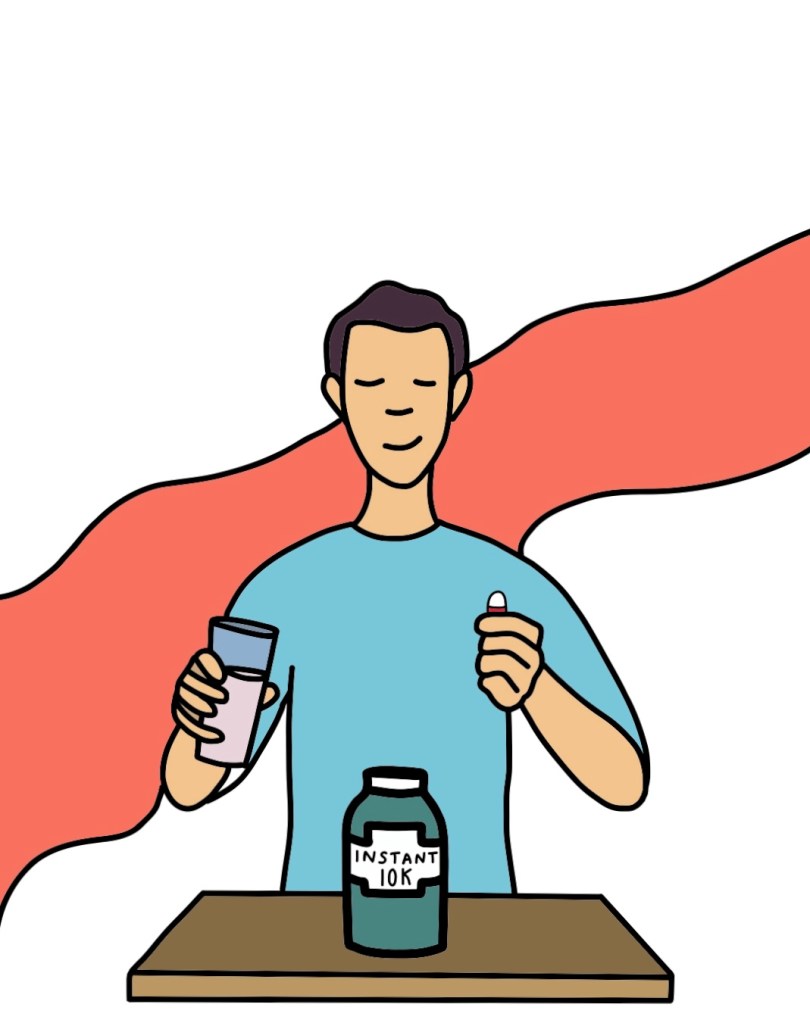
A powerful pill such as this one, though, almost sounds too good to be true. But, could it ever really replace exercise? And if so, what ethical, social, and physical implications would there be if it were to become commonplace in modern medicine?
This is a divisive topic and one I feel worthy of discussion, so I’d love to hear your thoughts. People, patients, prescribers – please leave a comment down below!
Contents
- Lake: The science behind the pill
- What are the potential downsides?
- What are the potential benefits?
- Final thoughts – is there a place for lake?
LaKe: The Science Behind The Pill
Professor Thomas Poulsen, from Aarhus University, explains that LaKe works by triggering metabolic responses typically activated during strenuous exercise or fasting. Specifically, it raises levels of lactate and ketones in the blood, promotes the production of an appetite-suppressing hormone (signalling protein), and reduces the level of fatty acids in the blood.
Lactate can help fuel the body by promoting gluconeogenesis, a process where glucose (sugar) is produced from non-sugar sources, like amino acids or lactate itself, in the liver or kidneys, providing energy for muscles and the brain. Meanwhile, ketones – which are made from fats – serve as an alternative energy source, boosting endurance and mimicking fasting states.
In short, the body shifts to tapping into stored reserves instead of using sugars already available in the blood, similar to what happens during intense physical activity (when all the readily available sugars have been used up).
What Are The Potential Downsides of a Pill Like This?
It By-passes Other Benefits
Exercise offers more than just calorie burning – it has physiological, psychological and social benefits that a single pill can’t replicate.
It releases endorphins which lift your mood and reduce stress, improves sleep quality, strengthens muscles and bones (reducing the risk of osteoporosis). Regular exercise has also been shown to improve memory, cognitive function, and energy levels. Plus, engaging in physical activity is often a social endeavour too – from team sports to Park run on a weekend – all of which help to improve social connectedness, teamwork skills, and cognitive function.
Even with a pill like LaKe, the long-term, full-body benefits of physical activity may be irreplaceable. While LaKe mimics immediate metabolic responses, it likely would fall short of delivering the lifelong holistic effects of exercise that support a balanced, healthy life, and that act to provide long-term protection against chronic diseases like heart disease, type 2 diabetes, and obesity.
No Sense of Achievement
Finishing a marathon, for example, also requires commitment and persistence, but the sense of accomplishment can be as rewarding as the physical gains – the achievement of running a marathon is an ‘effort based’ reward, and one that will often spur people onto running another.
A “shortcut” pill, however, could tempt people to skip exercise altogether, undermining the discipline and resilience that physical exercise and training builds.
Safety and Side Effects
Like any powerful drug, LaKe could carry risks if misused or taken unsupervised.
Misuse and The Black Market
LaKe joins a category of emerging drugs that aim to mimic the effects of exercise. A similar drug called GW501516, also known as 516, ended up on the black market as Endurabol in 2008 – this is a banned doping agent, and it was continued to be sold despite warnings from the World Anti-Doping Agency that it was unsafe.
Introducing LaKe as an advanced nutritional supplement would inevitably provoke similar versions to appear on the black market, as we have seen with 516 and as we are seeing right now with weight-loss and diabetic drug Ozempic (Semaglutide) too. Unregulated LaKe pills could similarly lead to misuse or harmful side effects, especially if taken by those with pre-existing health conditions or by those looking to exploit the drug’s effects without proper guidance.
Physiological Effects of Misuse on The Body
LaKe’s benefits come from increased levels of lactate and ketones in the blood as discussed earlier. But if these levels get too high, they can make the blood more acidic, potentially leading to a dangerous condition called metabolic acidosis. Signs and symptoms can range from confusion and weakness to a rapid heartbeat and, in severe cases, coma and death.
Our body is very good at regulating the pH* of our blood naturally. Our kidneys, breathing, and several “buffer systems” (e.g., proteins or carbonic acid) all act to keep our pH between 7.35-7.45.
Blood pH is something the Research team have considered, and their research findings so far suggest that the pill will successfully be able to control levels of ketones and lactate safely, so as to not alter our blood pH. Only time will tell when the results of the clinical trials have been published.
In theory, though, misusing LaKe could interfere with this balance, especially in people in high risk groups (e.g., with kidney disease).
*pH = a measure of how acidic/alkaline something is.
Societal and Ethical Concerns
Shifting Societal Attitudes
Relying on such a pill may cause a shift in attitudes towards taking responsibility for one’s health, encouraging an over-reliance on medical interventions as a treatment, instead of the onus being placed on lifestyle changes that can act as a prevention for many ailments. This in turn could increase the risk of dependency.
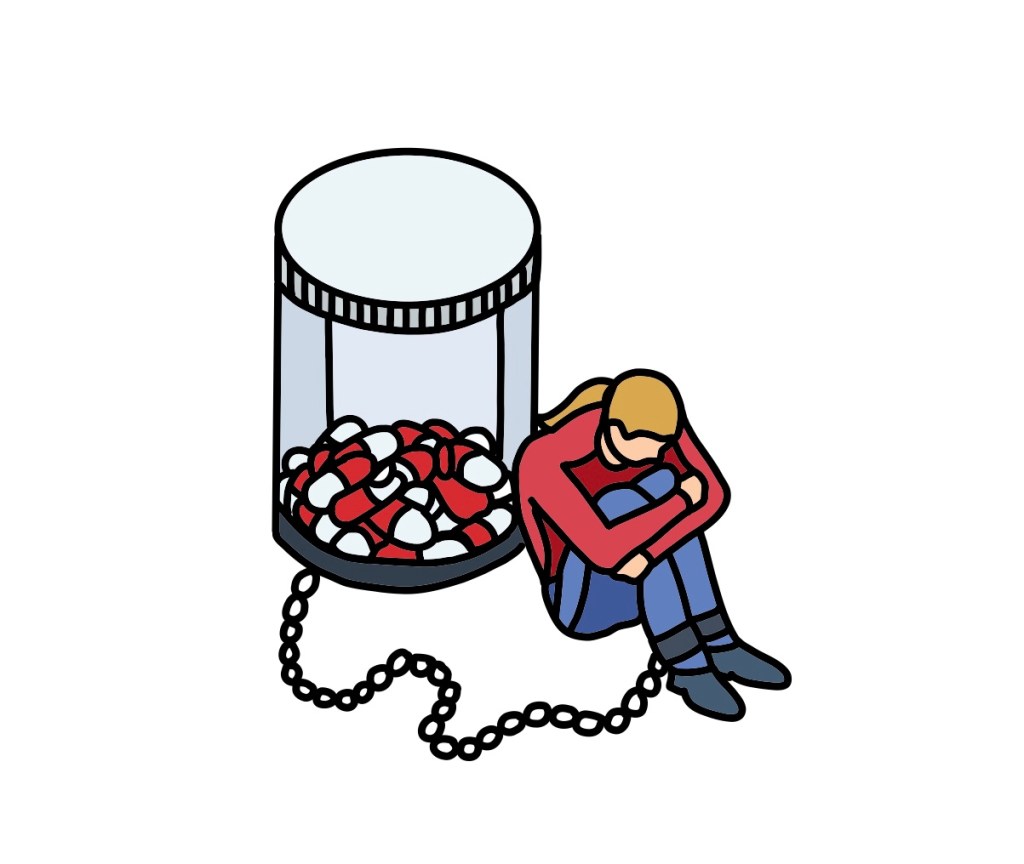
It could also act to normalise the use of pills as a fix for other lifestyle factors such as sleep, focus, and emotional wellness, all of which can be improved with non-pharmacological interventions.
We might also notice that people adopt a more sedentary lifestyle as a result. This could have a multitude of effects, impacting everything from healthcare costs to public fitness culture.
Who Is It For?
There’s also a valid concern too that LaKe might be marketed more aggressively towards more vulnerable populations, reinforcing a dependency on pharmaceutical solutions instead of making physical activity more accessible to all.
Is There a Better Use of Resources?
There is also the question of whether investing resources in such a pill is the best use of research funding and resources; preventive healthcare and physical activity programs could benefit from these funds, and investing in these are likely to be as beneficial and may cost the health services less in the long-run.
What Are The Possible Benefits of a Pill Like LaKe?
Accessibility For All
The pill could be valuable to those with physical limitations, such as those with mobility issues or with chronic illnesses e.g., rheumatoid arthritis, providing cardiovascular and metabolic benefits without putting more strain on the body. LaKe might even help those at risk of muscle loss, such as bedridden patients, or even astronauts (as it is harder to exercise effectively in space).
Disease Prevention
In a world where obesity causes more deaths than smoking – contributing to about 2.8 million deaths annually – a pill that mimics exercise’s metabolic effects could be life-changing.
If the LaKe pill can help regulate weight and improve metabolic health, it could be a valuable tool for those who struggle to engage with traditional forms of exercise, especially alongside specialist dietitian input and a supervised exercise programme. It could also have a significant financial impact too; again, with this example, obesity alone costs the NHS £6.5 billion each year – reducing this cost would allow for investment into new treatments and technology, as well as resource re-allocation which may help to further improve overall patient quality of life.
Revolutionising Health Technology
This pill represents a leap forward in bioengineering and pharmacology, pushing the boundaries of what’s possible in medicine. If successful, it could pave the way for more innovations that address lifestyle-related health issues, such as pills that could improve cognitive function, immunity, or muscle endurance, allowing for more personalised healthcare.
It could also spur on further research into metabolic health and pharmacological interventions, leading to new treatments for various conditions related to metabolism, obesity, and chronic diseases.
Final Thoughts: Is There a Place for LaKe?
There’s no doubt that LaKe is a significant development in health technology, and the allure of a “quick fix” may sound tempting to many; however, thoughtful consideration of the risks, ethical concerns, and societal impacts is crucial before it becomes commonplace in practice.
Would you take LaKe if you could? What role do you believe LaKe should play in the pursuit of health? Practitioners, what are your thoughts on prescribing medications like LaKe? Do you think they will become more commonplace in the future?
Ultimately, is LaKe a necessary solution, or are we bypassing the invaluable rewards of physical exercise?
Let me know in the comments below! I’d love to hear your take on the future of fitness and medicine.
Responses
-
Firstly, great to know my brain is still functioning as all I was initially concerned about when reading the MOA of LaKe was the potential lactic/metabolic acidosis that it could cause!
In the last few months I’ve seen the direct repercussions of this new wave of weight loss medications including euglycaemic ketoacidosis, and ++ delayed gastric emptying which has significant implications for the timing of surgeries. It seems there is no wonder pill without some pretty hefty potential side effects; the counselling of patients starting these medications will be critical to limiting hospital admissions/ negative outcomes.
LikeLike
-
Haha you’ve definitely still got that medical school knowledge!
Very good point to raise and thank you for sharing your experience – starting medications such as these should not be taken lightly, and would need to be started by specialists after strict counselling, then monitored closely monitored whilst on it.
The main concern would be the number of people obtaining such drugs “over the counter” from illicit sources, as is much more commonplace now – this bypasses the safety checks that are in place were it to be started by a healthcare professional, that ultimately would help safeguard against hospital admission/negative outcomes.
LikeLike
-


 The Health and Healing Narrative
Leave a reply to Olivia Catchpole Cancel reply