
In Vitro Fertilisation (IVF) has given hope to millions of people around the world who dream of starting a family, with over 10 million children having been born worldwide through IVF since 1978. Yet, funding for accessing this life-changing treatment in the UK often depends on where you live – a phenomenon referred to as the “postcode lottery”.
Take 33-year-old Hannah Newby, for example, whose story I read about last week in an article by the BBC. Diagnosed with Turner syndrome in 2023, Hannah underwent early menopause during her teenage years. Despite her determination to start a family, she faced significant barriers to accessing IVF. Living in one part of England meant that she was only eligible for one NHS-funded IVF cycle, while someone 20 miles away could receive up to three.
Her story has inspired me to dig deeper into the availability of IVF in the UK for different groups of people, and how these disparities impact lives. In today’s article we’ll look at how IVF works, why people need it, and the challenges of accessing it in the UK, along with costs, alternatives, and options for LGBTQ+ families.
Contents
- How does IVF work?
- Why do people need IVF?
- NHS eligibility: Who can access it?
- What is the IVF postcode lottery?
- How much does it cost to self-fund IVF and IUI?
- Alternatives to IVF
- Options for LGBTQ+ families
- The ethical debate: Should IVF be fully funded on the NHS?
- In summary
How Does IVF Work?
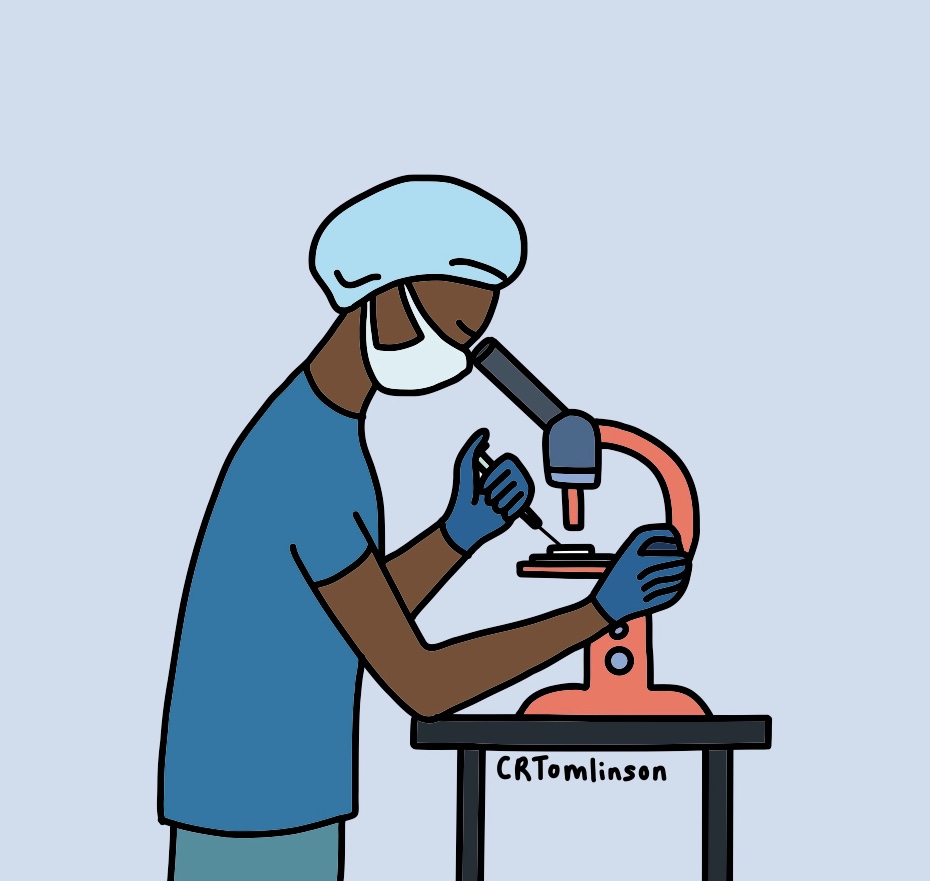
IVF is a fertility treatment where an egg* is removed from a woman’s ovaries, artificially fertilised with sperm** in a lab, and then implanted into the uterus (womb) where it can grow into a baby.
- Ovarian stimulation – where medicine is taken to stimulate your ovaries to produce more eggs.
- Egg retrieval – a minor surgical procedure is performed to collect the the eggs from the ovaries.
- Sperm collection – a sample of semen (a component of ejaculate, the fluid that contains sperm) is collected, either from a partner or from a donor.
- Fertilisation – the eggs are combined with sperm in a lab, either through conventional IVF or Intracytoplasmic sperm injection (ICSI).
- Embryo transfer – healthy embryos (a fertilised egg that has started to grow) are implanted into the uterus.
In 2019, the highest success rate was for women aged under 35 years old, with 32% of IVF treatments resulting in a live birth. The success rate continues to drop after this, with only 4% of treatments being successful in those over 44-years-old.
*Egg = female reproductive cell produced by the ovaries (female reproductive organs).
**Sperm = male reproductive cell produced by the testes (male reproductive organs), that can fertilise an egg, so that it can grow into a baby.
Why Do People Need IVF?
Infertility affects around 1 in 7 heterosexual couples in the UK, and many affected by infertility look to IVF as an option to start a family when other methods have failed. However, IVF isn’t just for them – people may opt for IVF if:
- They are an LGBTQ+ individual or couple, and not able to conceive through sex.
- They want a baby but do not have a partner.
NHS Eligibility: Who Can Access It?
The National Institute for Health and Care Excellency (NICE) guidelines provide recommendations on who should be eligible for NHS-funded IVF in England and Wales:
- Under 40: Up to 3 cycles should be offered if they’ve been trying to conceive for 2 years or after 12 cycles of artificial insemination*.
- 40–42: 1 cycle should be offered, provided they haven’t had previous IVF, have no evidence of low ovarian reserve**, and have discussed the risks of treatment at this age.
In women under 40, any previous cycle of IVF (including self-funded) should be counted towards the 3 full cycles that should be offered by the NHS. Meaning that if you are aged under 40, and have previously paid for 2 full cycles, you would only be eligible for a further 1 cycle on the NHS.
*Artificial insemination = where sperm is put into the female reproductive organs by means other than sex (most commonly directly into the uterus, known as intrauterine insemination or IUI).
**Low ovarian reserve = where there are fewer eggs left in your ovaries.
However, these are just guidelines. Local integrated care boards, known as ICBs, which plan and fund NHS health services within a local area, often set much stricter criteria. These may include:
- Whether you already have had children.
- Your Body Mass Index (BMI).
- Whether you smoke.
Click this link for the full list of IVF treatment policies by area.
Female same-sex couples face even more hurdles, as most ICBs required them to self-fund 6-12 cycles of IUI privately before becoming eligible for IVF through the NHS.
Though NHS funding for IUI for heterosexual couples typically isn’t offered either (as this is also ICB dependent), it is is easier for them to be referred for IVF as they can also be referred after two years of trying to conceive.
What is the IVF “Postcode Lottery”?
This term refers to how access to NHS-funded IVF and wait times varies greatly depending on where you live. These disparities create a system where your chances of having a family may depend on your address.
For example:
- Where I’m from in the South Lakes, I’d only be eligible for one cycle of IVF under the age of 40.
- If I moved up to North Cumbria, only around 30 minutes away, I’d be eligible for 3.
How Much Does It Cost To Self-Fund IVF and IUI?
If you’re not eligible for NHS funding or need additional cycles, you may need to self-fund it privately. Prices vary, but you can expect to pay:
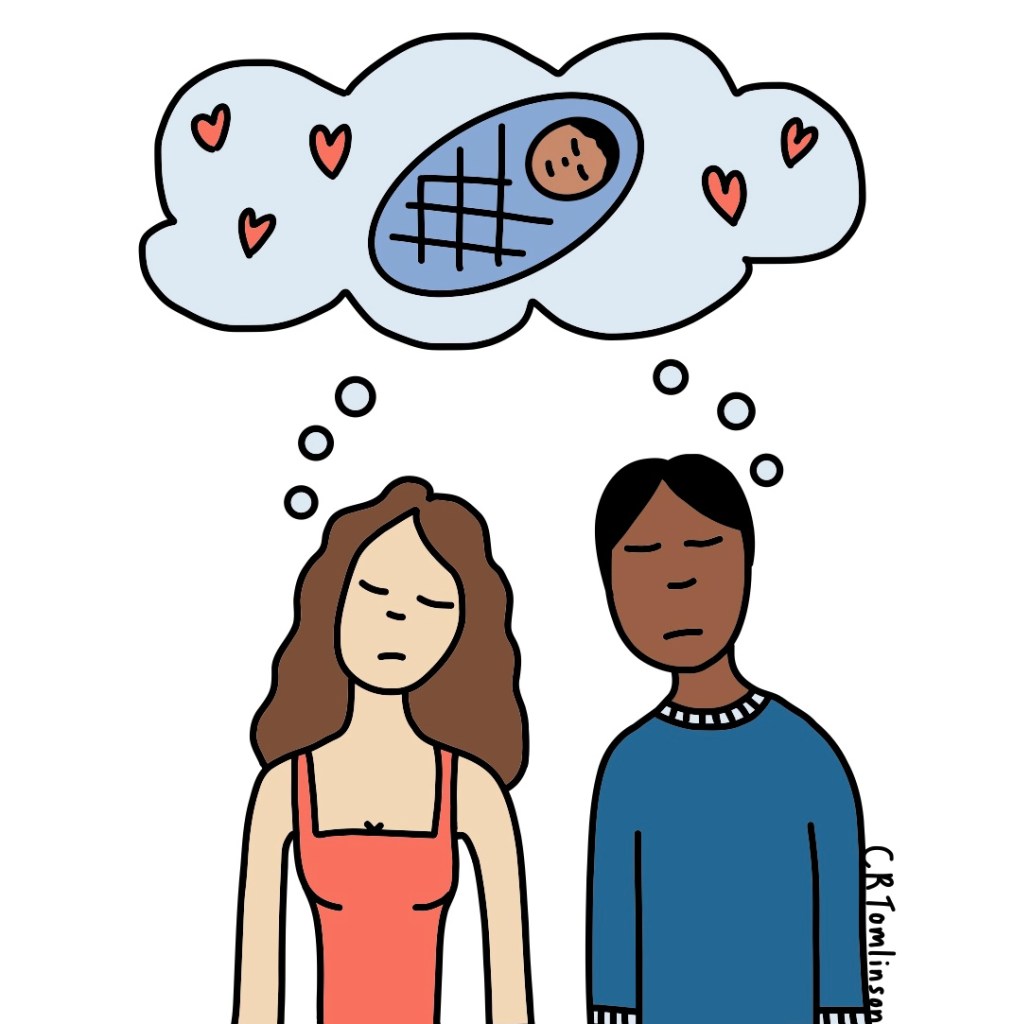
If you decide to go privately, it’s important to choose a clinic that is licensed by the Human Fertilisation and Embryology Authority (HFEA), as they regulate all clinics that provide fertility treatment in the UK.
Alternatives to IVF
For heterosexual couples, there are other treatments that may be viable if lifestyle interventions haven’t worked and IVF isn’t currently an option, depending on individual circumstances and the underlying cause of infertility.
Medications:
- Ovarian stimulation agents e.g., Clomiphene or Letrozole
- These help to encourage ovulation (the release of an egg from the ovaries), so they are particularly useful in women who do not ovulate regularly or who do not ovulate at all. For example, in women with Polycystic Ovarian Syndrome (PCOS).
- Gonadotrophins
- Can help stimulate ovulation in women and can help improve fertility in men depending on the cause.
Surgery
- Tuboplasty in women.
- Can help open up the Fallopian tubes (tubes that connect the ovaries to the uterus), if they are blocked or scarred.
- Laparoscopy (keyhole surgery) or hysteroscopy (using a camera to see inside the uterus) in women.
- Can help treat conditions like endometriosis or fibroids, which can help improve fertility.
- Epididymal surgery in men.
- Can help open up the epididymis (a tube at the back of the testicle where sperm is stored and transported) if it is blocked, so that sperm can be ejaculated.
Assisted Conception
- Intrauterine insemination (IUI)
- In Vitro Fertilisation (IVF)
Both of these can be facilitated by donor insemination, when donor sperm is used from a sperm bank.
Third Party Reproduction
- Surrogacy – where a woman cannot, or choses not to, carry a pregnancy, another person may carry the pregnancy using the intended parents’ embryos or donor eggs/sperm.
Adoption or Foster Care
- Adoption – where you become the legal parents of that child.
- Foster care – can be temporary, or longer term, and any decision making for the child is shared with the local authority and their birth parents.
Options for LGBTQ+ Families
Though options do differ slightly, there are still several options for couples who cannot conceive through sex too. These include (see above for definitions):
- IVF, including reciprocal IVF*.
- IUI.
- Surrogacy.
- Adoption or Foster Care.
*Reciprocal IVF = where an egg is taken from one partner in a LGBTQ+ couple, fertilised with a donor sperm, and then transferred to the other partner’s uterus.
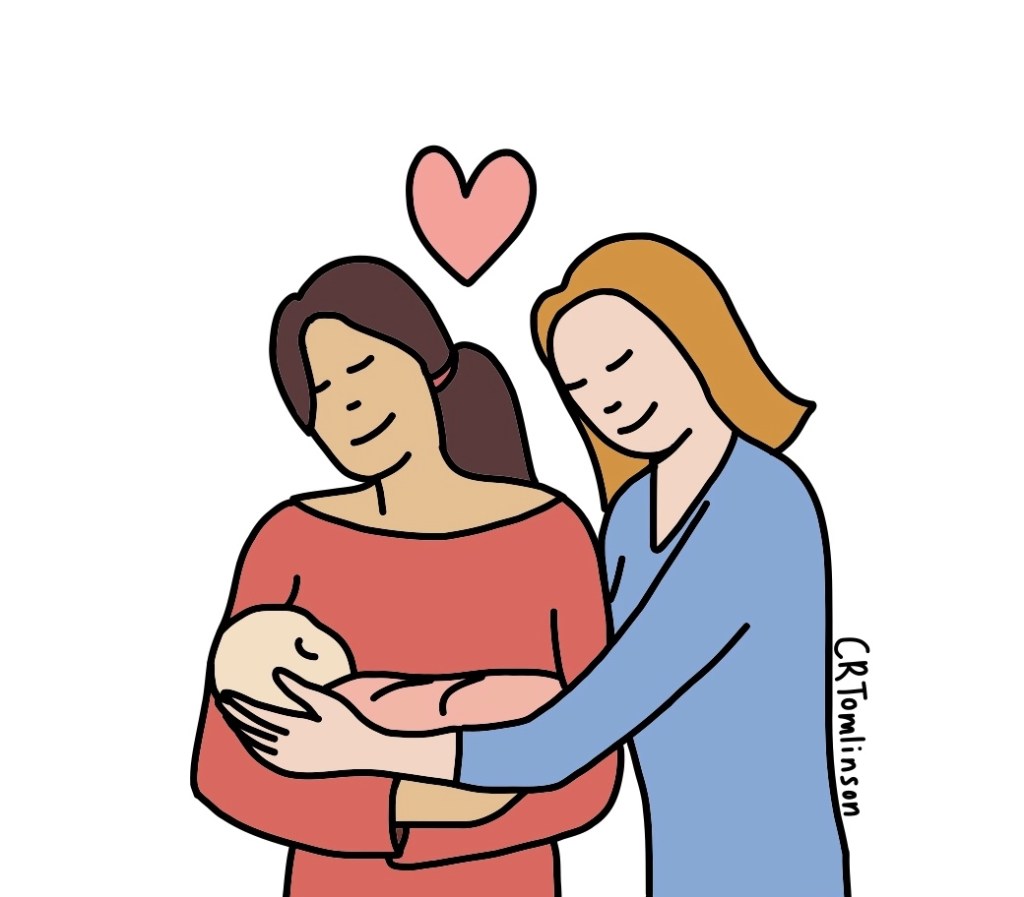
More resources for LGBTQ+ individuals that are looking to start a family:
New Family Social is a great charity that supports LGBTQ+ couples who want to adopt or foster. See below for more information:
https://www.newfamilysocial.org.uk/page-18149
For trans and non-binary people, who are thinking about starting treating to physically change your body or have already started it, then the HFEA provides lots of information on preserving fertility and fertility treatment here:
CoParents is a blog that has information on everything you need to know about starting a family as a same-sex couple – from a greater overview of different options, to legal considerations and an in depth view of the sperm donation process. See below:
The Ethical Debate – Should IVF Be Fully Funded on The NHS?
The question of whether IVF should be fully funded on the NHS is a complex, emotive and deeply nuanced one.
The emotional toll of being unable to conceive naturally can be profound, affecting mental health and quality of life. Fully funded IVF aligns with the NHS’s principle of equitable care based on clinical need, granting individuals and couples a chance at parenthood regardless of financial status. However, critics argue that IVF’s high costs and relatively low success rates, particularly in older women, may not justify its prioritisation over other NHS services addressing life-threatening conditions.
The inconsistencies in NHS-funded IVF, the so-called “postcode lottery” as discussed earlier, further complicate the debate. Current policies can create barriers for single people and LGBTQ+ couples, sparking questions about inclusivity and fairness. Some advocate for either universal funding or a cessation of funding altogether to resolve disparities.
Others suggest that society should focus resources on promoting alternatives like adoption and fostering, which address the needs of existing children.
Ultimately, this debate balances the ethical desire to provide hope for prospective parents with the practical limitations of finite healthcare resources.
In Summary
IVF offers hope to millions of individuals and couples dreaming of starting a family, but its accessibility in the UK remains inconsistent. While the NHS provides funding for IVF in certain cases, eligibility varies by region, creating a “postcode lottery” that highlights disparities in access. Many are left to self-fund costly treatments, with prices ranging from £5,000 per cycle for IVF. Alternatives like medications, surgery, and third-party reproduction options are available, but these are not universally suitable or affordable. LGBTQ+ families also face additional barriers, too.
Having looked at the complexities of funding and access to IVF treatment, it’s worth reflecting together:
- What surprised you the most about the IVF process, or the challenges people face in accessing treatments?
- Did you know about the “postcode lottery” before reading this? How do you think it impacts people’s lives? Have you been, or know anyone that has been, affected by this?
- For LGBTQ+ individuals and couples, what additional support or resources do you think could make starting a family easier?
- What would you do to make fertility treatment more equitable?
I’d love to hear from you – please share your thoughts in the comments below!
Responses


Resources
https://www.nice.org.uk/guidance/cg156/chapter/Recommendations#access-criteria-for-ivf
https://www.fostercareuk.co.uk/knowledge-centre/fostering-vs-adoption
 The Health and Healing Narrative
Leave a reply to Charlotte Cancel reply