
Last week, I came across an article in The Guardian about the link between loneliness and health. This article discusses a fascinating new study published in the journal Nature Human Behaviour, which found that social isolation and loneliness correlate with higher levels of specific proteins in the blood. These proteins are involved in inflammation and immune responses, and have been linked to tangible health risks. The researchers monitored participants’ health over a 14-year period, and the results were quite striking: 90% of these proteins are associated with a higher risk of mortality, with 50% linked directly cardiovascular disease and diabetes.
This study made me think of a TED Talk my partner showed me a few months back by Dr. Robert Waldinger, a Psychiatrist and the current director of the Harvard Study of Adult Development. This study, which has been running for 86 years (the longest running study as far as we know!), offers profound insights into the role of relationships in our health and happiness.
The Harvard Study of Adult Development began in 1938 with two distinct groups: the initial group consisted of 268 sophomores who were recruited just before World War II, and the second group consisted of 456 boys from some of Boston’s poorest neighbourhoods, chosen because they were from disadvantaged and troubled backgrounds. This study has tracked the lives of these men for decades, and more recently the lives of their partners too, collecting data on their physical health, mental well-being and social relationships.
Over the years, the findings of the Harvard study have become more and more striking, especially when it comes to understanding the role of social connection in our health. And while the study began before the internet, smartphones, and even television, the findings are more relevant today than ever before, with loneliness being an epidemic in the digital world.
In today’s article, we’re going to look at the science behind loneliness, what the Harvard study has taught us about relationships, and the changing nature of loneliness in the digital age. We will also look at practical steps to combat loneliness later on in the article, and the idea of “social prescriptions” in holistic healthcare.
The Science Behind Loneliness
An interesting study published in 1979 looking at 6928 residents from Alameda county in California, showed that people with strong social ties were 3x less likely to die than those who were less connected to others. This study even suggested that people with unhealthy habits, like smoking or a sedentary lifestyle, but who had close social ties, lived longer than those who had healthier habits but fewer social connections. But why is this?
1. Oxytocin – The “Bonding Hormone”
When a baby is born, the sound of her baby’s cry prompts the production of oxytocin, often called the “bonding hormone”, in the mother. This hormone helps promote maternal-infant bonding, and can increase milk production and milk let down in breastfeeding.
Beyond infancy, oxytocin is also released during positive social interactions such as hugging, holding hands, and sexual intimacy. Research has shown that oxytocin exerts anti-anxiety effects and plays a role in mood regulation. Social connections boost oxytocin, whereas in contrast, loneliness can elevate the production of stress hormones like cortisol, which impair immune function and increase inflammation.
2. The Stress Response
Humans are inherently social beings, having evolved in tribes and communities for survival. Being part of a group historically provided protection, resources, and social support. As a result, our brains are hardwired to seek connection.
Loneliness has been shown to activate the body’s “fight or flight” response, which results from increased activity in the sympathetic nervous system. This nervous system releases hormones such as cortisol and adrenaline which prepare the body to respond to immediate threats, causing physiological changes such as an increased heart rate and blood pressure.
While this response is useful in evolutionary terms for keeping us out of harm’s way, chronic activation can have damaging effects. Elevated cortisol, for example, can contribute to anxiety, difficult sleeping, and decreased immunity in the long-term, making individuals more susceptible to illness.
3. Impact on Behaviour
Loneliness can affect behaviour, with people being more likely to engage in unhealthy coping mechanisms such as smoking, excessive drinking, or poor eating habits. Research has also linked it to addictive and destructive behaviours such as substance abuse, as people seek ways to escape the emotional burden of loneliness. These behavioural patterns can contribute to a cycle of poor health, further deepening feelings of isolation and distress.
The Harvard Study of Adult Development: What 86 Years of Research Has Taught Us About Relationships
The study followed the lives of these two groups of men — Harvard sophomores and boys from Boston’s poorest neighbourhoods — tracking their health, habits, relationships, and general well-being for decades. The study’s findings suggest that the key to long-term health and happiness isn’t money, fame, career success, or even physical health – it’s the quality of our relationships. It’s not about having a large number of friends, but a few close connections that provide emotional support and a sense of belonging.
The study found that people who were more isolated, or who lacked close relationships, were more likely to suffer from cognitive decline, and several chronic conditions including diabetes and arthritis.
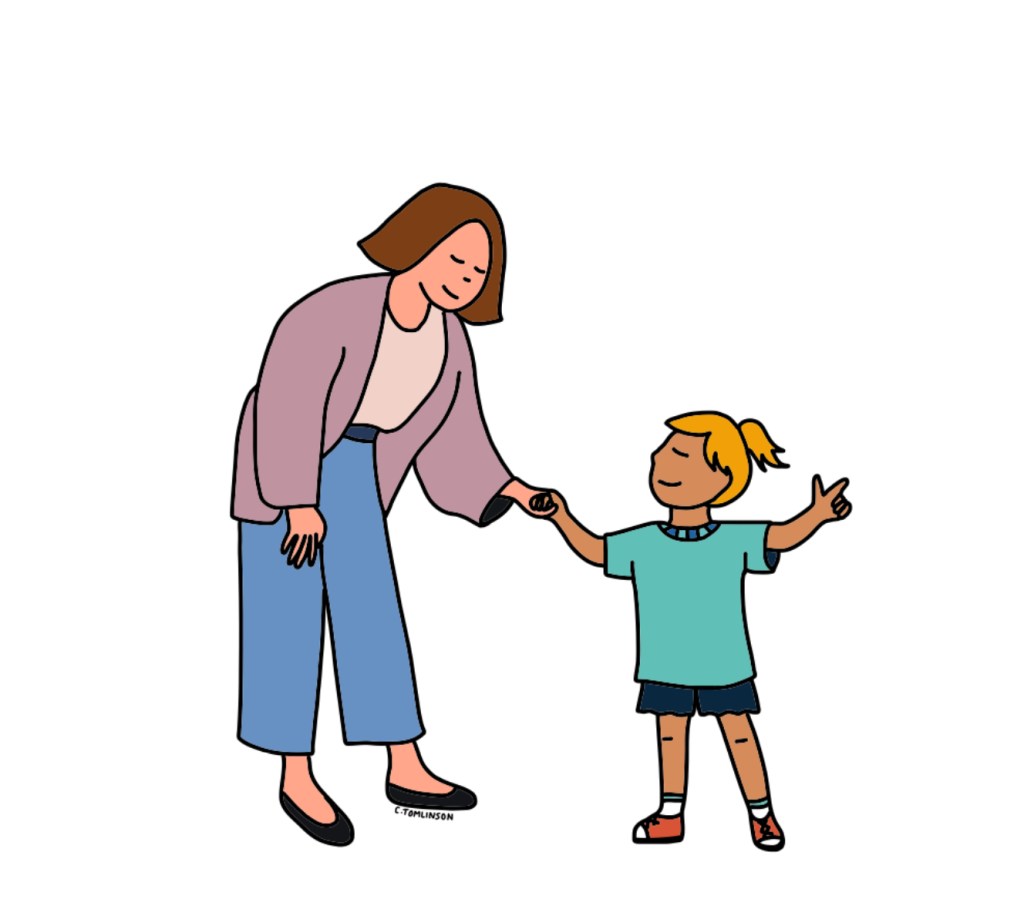
Dr. Waldinger, now the fourth director of the study, sums it up succinctly:
The people who were the most satisfied in their relationships at age 50 were the healthiest at age 80. Strong relationships help to delay mental and physical decline. Taking care of your body is important, but tending to your relationships is a form of self-care too. That, I think, is the revelation
Good relationships keep us happier and healthier. Period.
Loneliness in The Digital Age
In the modern world, social media, texting, phone calls, and other forms of digital communication allow us to be more “connected” than ever.
The paradox of the digital age, however, is that while we are constantly interacting and engaging with each other online, these interactions tend to be more shallow, short-lived, and lack the depth of real, face-to-face communication. Digital platforms like Facebook and Instagram often encourage these superficial interactions too, for example through “likes” on a post, which are typically not sufficient for fulfilling the human need for genuine emotional connection.
Recent studies have shown that people who spend more time on social media are more likely to feel lonely and isolated, even if they may have thousands of “friends” online, and this has been linked to poorer mental health outcomes.
True, meaningful conversations and shared experiences in person, are vital for reducing loneliness in a way that digital platforms can’t.
Social Prescribing
The growing recognition of loneliness as a public health issue is reshaping how we approach wellness. Healthcare practitioners are beginning to see social isolation as an equal concern to physical conditions, like high blood pressure or diabetes.
As a result, in recent years there has been a push towards the idea of “social prescribing” in healthcare. This approach helps connect people to activities, groups and services in their community, which can help improve their overall health and wellbeing. Social prescribing schemes can involve various non-clinical activities, such as volunteering, gardening, cookery, healthy eating advice and sports. These initiatives are designed to help individuals build connections, reduce social isolation, and improve their overall health by making informed healthy lifestyle choice, the overall aim being to give people more choice and control over their lives with an improved sense of belonging.
Social prescribing is accessed through a social prescribing link worker, which you can be referred to by your GP. Your link worker then, for example, might connect you with a local gardening group. This activity not only encourages physical movement, but fosters a sense of community and belonging.
Practical Steps To Combat Loneliness
- Make time for close relationships – whether with friends, family, or romantic partners. Schedule regular time together, from a weekly dinner, to a phone call or a quick check-in. Remember, it’s not about the quantity of relationships that you have, but the quality.
- Join a community or group – engaging in activities that you enjoy alongside other people can create a sense of belonging and support, as shared interests provide an easy foundation for forming more meaningful connections. Whether it’s your local book club, the hockey team or volunteering, it’s a great way to get out and meet new people.
- Meetup is a website that makes it easier for you to meet new people who share your interests.
- Reach out to others – if you’re feeling isolated and lonely, the first step is to reach out. It can be easier to wait for others to contact you, but this won’t make you feel any better – taking initiative by making the first move can do wonders for your mental health.
- Work on your mental health – loneliness often accompanies mental health challenges like depression or anxiety. If you are struggling, make sure to seek professional help which can provide you with the tools to build healthier, more fulfilling relationships, along with helping you navigate feelings of isolation.
- Embrace technology, but use it wisely – the key is to use it as a supplement to, not a replacement for, in-person interaction.
- Learn to be comfortable in your own company – having lots of friends and relationships in your life doesn’t mean you won’t feel lonely, as this is an emotion we’re all likely to experience at one point in life or another. Working on our relationship with ourselves and learning to enjoy our own company is also important in combatting feelings of loneliness.
- Ask your GP to refer you to a social prescribing link worker – they can then refer you to local sources for support.
Moving Forward: A Healthier, More Connected Future
The Harvard Study of Adult Development has shown us that the key to a long, healthy, and happy life lies not in individual achievement or material success, but in the relationships we build and nurture.
Loneliness is more than just an emotional experience – it’s a health risk we can no longer afford to ignore. Whether through social prescribing, community programs, or simply investing time in close relationships, we all have the power to prioritise connection in our lives. Small steps can make a big difference in building the bonds that keep us healthier and happier. Let’s make relationships a priority and create a more connected future – starting right now.
How do you think modern technology has impacted our ability to form meaningful connections? What are your thoughts on the Harvard study? What’s one small change you can make today to strengthen your relationships?
I’d love to hear from you! Please leave a comment down below.


 The Health and Healing Narrative
Leave a reply to Charlotte Cancel reply