
Today we celebrate International Menopause Day – a day to bring compassion, awareness, and understanding to an experience that shapes the lives of all women in some way. This year’s theme focuses on menopause in the workplace – an important reminder that supporting women through this transition helps create healthier, fairer, and more inclusive work environments.
If you’d like to understand menopause in more depth – what’s really happening in the body, common symptoms, and how to get the right support – I’ve written a comprehensive guide on menopause and perimenopause. Click here to read more.
But for today, in honour of International Menopause Day, I wanted to share my top 10 facts about menopause – key things that everyone should know.
1. If You’re 45+ and Have Symptoms, a Blood Test is NOT Recommended
Hormone levels such as FSH (follicle-stimulating hormone) and oestrogen fluctuate widely during perimenopause and menopause. This means a single “normal” test result doesn’t rule out menopause – and can even delay access to treatment like HRT.
If you’re over 45 and experiencing typical symptoms, diagnosis is made based on your history, NOT a blood test. Testing may sometimes help if you’re under 45, but results can still be unreliable. Your symptoms matter more than numbers.
2. You CAN Get Pregnant During The Perimenopause
Ovarian function can fluctuate – so ovulation (and pregnancy) is still possible.
Unless you’ve gone 12 months without a period (if over 50) or 2 years (if under 50), contraception is still important.
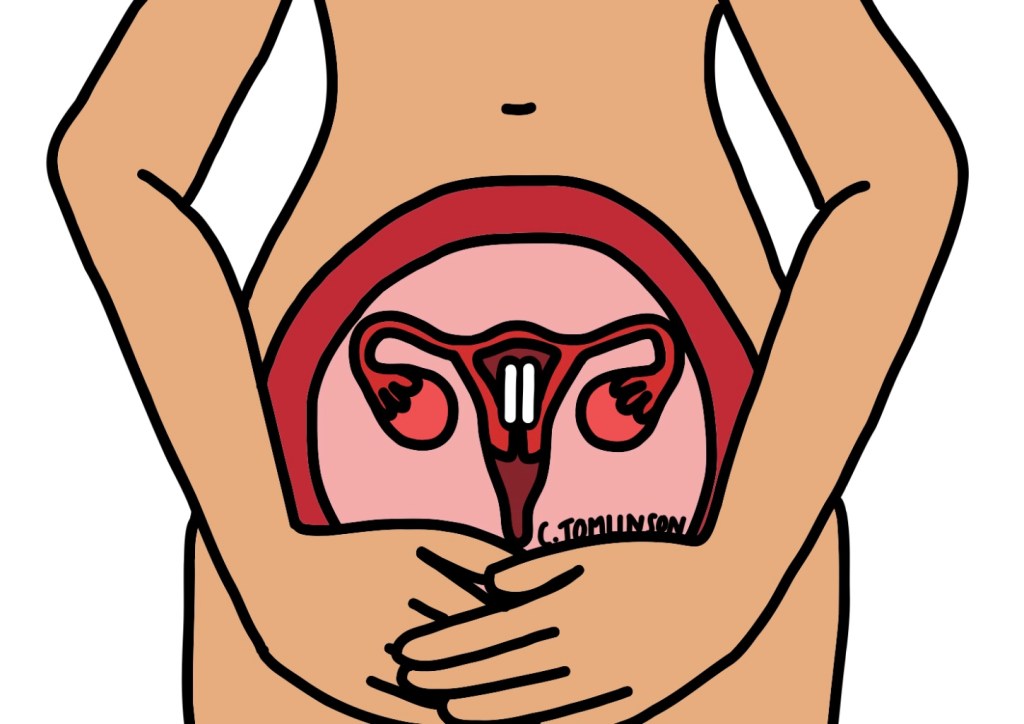
HRT is not contraception, so additional protection may be needed. The exception is a Mirena coil, which provides both the progesterone component of HRT and contraception. Most women can generally stop contraception after 55.
3. You DO NOT Have To Stop HRT After 5 Years, or at 60.
There’s no set limit for HRT. As long as the benefits outweigh the risks and you continue to feel well, HRT can be continued for as long as needed. You’ll need an annual check-up to review benefits and risks with your doctor.
If you’re taking oral oestrogen and wish to continue beyond 60, it’s best to switch to a transdermal form (patch, gel, or spray) to lower the risk of blood clots.
4. HRT DOES NOT Delay The Menopause – It Treats The Symptoms
Menopause is a natural process caused by declining ovarian function. HRT works by replacing the hormones your body no longer produces, easing hot flushes, night sweats, mood changes, and sleep problems.
HRT does not change when menopause happens. Some people worry it might “stop” menopause – it doesn’t; it simply eases the symptoms.
5. Transdermal Oestrogen DOES NOT Increase Your Risk of Blood Clots AT ALL
Transdermal oestrogen (patch, gel, spray or cream) enters your bloodstream directly through the skin, rather than passing through the liver like oral tablets. Because it bypasses the liver, it doesn’t increase the substances in your blood (clotting factors) that can cause clots, making it much safer for women at higher risk.
Patch or gel forms are especially recommended for women who have migraines, a higher BMI, or a personal or family history of blood clots. They are just as effective as tablets for easing menopausal symptoms.
6. Vaginal Oestrogen Helps Dryness, Pain, and Recurrent UTIs, and CAN Be Taken ALONGSIDE systemic HRT
Vaginal dryness, discomfort, and recurrent urinary tract infections (UTIs) are common during menopause, due to low oestrogen levels. This is known as the Genitourinary Syndrome of Menopause (GSM).
Vaginal oestrogen (in creams, gels, or pessaries) acts locally to relieve these symptoms and can safely be used alongside systemic HRT. Because it acts locally, only a tiny amount is absorbed into the bloodstream. It can also improve sexual comfort.
7. You CAN Start HRT When You’re Still Having Periods
If you’re still having periods, you’re in the perimenopausal stage – and you can absolutely start HRT.
You’ll likely use a cyclical (or sequential) regimen: continuous oestrogen with progesterone added for 14 days each month (or every 3 months), followed by a light withdrawal bleed.
This helps protect the womb lining from becoming too thick, which could otherwise increase the risk of endometrial cancer.
8. If You’ve Had Early Menopause or Your Ovaries Removed Before 45, You SHOULD Be Offered HRT Unless it’s Contraindicated
- Early menopause = before 45
- Premature ovarian insufficiency (POI) = before 40
In both cases, unless contraindicated, HRT should be offered and continued until around age 51 (the average natural menopause age).
This is because oestrogen has many long-term benefits – such as helping to protect your bones, heart, and brain. Women who experience early or premature menopause have lower oestrogen levels for a longer period, so HRT is especially important for their long-term health.
9. HRT Is AS EFFECTIVE For Osteoporosis In The Menopause than Other Treatments
HRT isn’t just for hot flushes – it’s also highly effective at maintaining bone density and preventing fractures related to osteoporosis (a condition where bones become thinner and more fragile).
10. Testosterone CAN Be Prescribed For Low Libido as Recommended By NICE Guidance, Despite Being Unlicensed For This
Testosterone isn’t just a male hormone – women naturally produce it too, and levels gradually decline with age, especially after menopause or if the ovaries are removed.
According to NICE guidance, testosterone can be considered for women experiencing low libido after menopause, once other factors such as stress, relationship issues, medications, or underlying health problems have been addressed.
It is unlicensed in the UK because there isn’t a product specifically made for women, and research on its use in this context is still limited.
There has been some controversy around testosterone prescribing in menopause because evidence for its wider benefits is mixed. The strongest evidence currently supports its use for low libido when HRT alone hasn’t helped, and NICE guidance therefore recommends that it can be considered in this specific situation. Read more here.
Bonus Fact! Your GP CAN Help With Your Menopause
Many women don’t realise that their GP can provide support for menopause – from managing symptoms to prescribing HRT, offering lifestyle advice, and referring you to specialists if needed.
Some GPs even have a specialist interest in menopause – like the lovely Dr Tidey at our practice, who I’ve learnt so much from over the past few months. These GPs have extra training and experience in managing complex cases, so it’s worth asking if there’s one at your practice. It can make a big difference in getting personalised advice and support.
I’d love to hear your thoughts:
- Which of these menopause facts surprised you the most?
- Have you ever spoken to your GP about menopause or explored HRT options?
- How can workplaces better support women going through menopause, based on your experience or observations?


 The Health and Healing Narrative
Leave a reply to Charlotte Cancel reply