
When the NHS introduced routine Human Papilloma Virus (HPV) vaccination for girls in 2008, few could have predicted just how transformative it would become.
Fast forward to 2026, and researchers have reported something remarkable. Among women in England aged 20-24 who had been offered the HPV vaccine at 12-13 years of age, no deaths from cervical cancer were recorded between 2020 and 2024, compared with around 23 deaths that would have been expected based on historical trends.
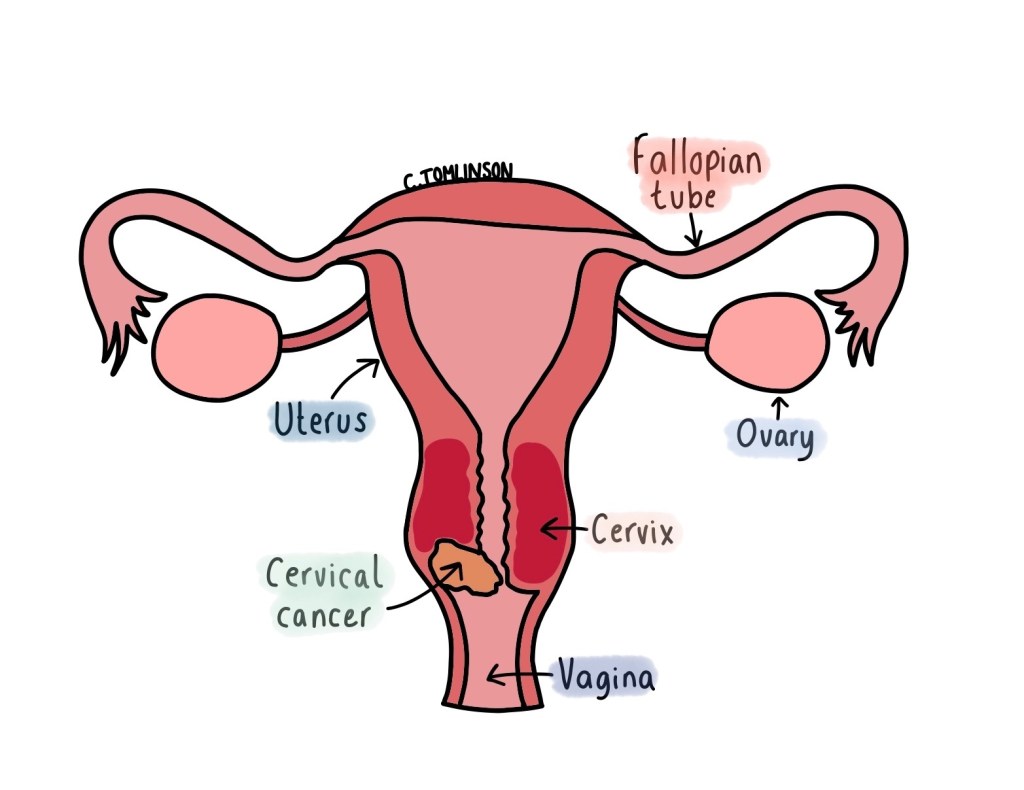
These findings represent one of the clearest examples yet of not only how vaccination can reduce the risk of cervical cancer, but deaths from the disease. Let’s get into it.
What is HPV?
Human papillomavirus (HPV) is an extremely common virus spread through intimate skin-to-skin contact, including vaginal, anal and oral sex. Most sexually active people will be exposed to HPV at some point in their lives, often without ever knowing it.
There are more than 100 types of HPV, but only a small number are considered high-risk because they can cause cancer. HPV 16 and HPV 18 are responsible for around 76% of cervical cancers worldwide, while other high-risk types (12 in total), account for many of the remaining cases.
In most people, the immune system clears HPV naturally within one to two years. However, if a high-risk infection persists, it can lead to changes in the cells of the cervix, known as cervical intraepithelial neoplasia (CIN). Left untreated, these changes may develop into cervical cancer over many years.
HPV is also linked to cancers of the vagina, vulva, anus, penis, and the back of the throat. Low-risk HPV types, such as HPV 6 and 11, are responsible for most cases of genital warts.
Although condoms reduce the risk of HPV transmission, they do not eliminate it completely, as HPV can be spread through skin not covered by barrier protection. They remain important for reducing the risk of HPV and other sexually transmitted infections, but they do not provide full protection.
What is the HPV vaccine, and when do we give it?
The HPV vaccine works by training the immune system to recognise and fight the most harmful cancer-causing strains of HPV before infection occurs.
When it was introduced in 2008, routine vaccination was offered to girls aged 12–13, alongside a catch-up programme for older teenagers up to age 18.
In 2019, the programme expanded to include boys, reflecting the fact that HPV causes cancers in both men and women and that vaccination also reduces transmission in the wider population.
Today, the NHS uses Gardasil 9, which protects against nine HPV types, seven of which are high-risk types responsible for around 90% of cervical cancers. It also protects against the low-risk strains HPV 6 and 11, which cause around 90% of genital warts.
In 2023, the routine schedule changed to a single-dose programme for most adolescents, following evidence that one dose provides strong long-term protection. People who are immunosuppressed, including those living with HIV, continue to require a three-dose schedule. Meanwhile, gay, bisexual and other men who have sex with men (GBMSM) aged 25-46 years and over are offered a two-dose schedule through sexual health and HIV services if they were not vaccinated as part of the routine school programme.
Cervical cancer screening in the UK
While the HPV vaccine has transformed prevention, it does not replace cervical screening, as it cannot protect against all types of HPV.
In England, women and anyone with a cervix aged 25 to 64 are invited for cervical screening every five years, provided previous results are normal. Individuals with previous abnormal results or certain medical conditions, including HIV, may be screened more frequently.
The UK programme now uses HPV primary screening. Samples are first tested for high-risk HPV. If none is detected, the risk of developing cervical cancer before the next routine screen is extremely low. If HPV is found, the same sample is tested for abnormal cell changes, and if these are present, further investigation through colposcopy (an examination of the cervix, +/- a biopsy) is needed.
What does the latest research show?
A large population-based study examined cervical cancer deaths in England between 2001 and 2024, comparing mortality before and after the introduction of the national HPV vaccination programme.
The results were striking.
Among women aged 20–24 years between 2020 and 2024, who had vaccination coverage approaching 80-90% after receiving the vaccine at 12–13 years of age, no cervical cancer deaths were recorded. Based on historical trends, around 23 deaths would have been expected.
The study also found substantial reductions in cervical cancer mortality among women vaccinated through the catch-up programme and estimated that the HPV vaccination programme had prevented around 200 cervical cancer deaths in England by the end of 2024.
Although observational, this represents some of the strongest national evidence to date that high HPV vaccine uptake is associated with fewer deaths from cervical cancer.
Why this matters
Despite major progress in the UK, cervical cancer remains a significant global health challenge.
In 2024, there were an estimated 604,000 new cases and around 280,000 deaths worldwide. The majority occur in low- and middle-income countries, where access to preventive healthcare is often limited.
Yet cervical cancer is also one of the most preventable cancers. It is estimated that 98.8% of cases could be prevented through effective HPV vaccination, cervical screening and early treatment of pre-cancerous changes. Recognising this, the World Health Organisation has set an ambitious goal of eliminating cervical cancer within the coming decades.
For today’s young people growing up with the protection of the HPV vaccine, the future looks profoundly different from that of previous generations. Cervical cancer has not disappeared, and attending routine cervical screening remains essential. But for the first time, we are beginning to see a future in which this disease becomes increasingly rare — and deaths from it become rarer still.
- Did anything in this article surprise you, or has it changed the way that you view the HPV vaccine and cervical screening?
- Did you know that cervical cancer was one of the most preventable cancers?
If you found this article informative, I’d love to hear from you!


Leave a Reply