
When people hear the words “benign brain tumour“, they often assume it’s reassuring. After all, benign means it’s not cancerous. But for thousands of people living with an acoustic neuroma, that single word can be deeply misleading.
When I was four years old, my mum was diagnosed with an acoustic neuroma. Although the tumour wasn’t cancerous, it was already very large and required major brain surgery on more than one occasion. We were incredibly fortunate that she’s still here today, but the diagnosis — and everything that followed — changed our lives forever.
That’s why, for World Brain Day today, I want to explore acoustic neuromas. Like many less common conditions, the symptoms can initially be attributed to other causes, delaying diagnosis and treatment. Greater awareness — among both the public and healthcare professionals — can help people receive the investigations, treatment and support they need sooner.
Because while “benign” describes how a tumour behaves, it says nothing about the impact it can have on the person living with it.
Contents
- What are acoustic neuromas?
- What symptoms can an acoustic neuroma cause?
- How are acoustic neuromas diagnosed?
- How are acoustic neuromas treated?
- Why “benign” doesn’t always mean harmless
- Living with an acoustic neuroma
- Final thoughts
- Support is out there
DISCLAIMER: While I am a practising doctor, the information on this site is for educational purposes only. It does not take into account your personal circumstances, which can significantly affect medical decision-making and treatment. This content therefore does not constitute medical advice, and should not be relied upon for diagnosis or treatment. Always consult a qualified healthcare provider regarding any health concerns.
This article was published on the 22/07/2026 using up-to-date sources at that time. Please be aware that medical information and guidelines change often.
What are acoustic neuromas?
An acoustic neuroma, also known as a vestibular schwannoma, is a slow-growing, non-cancerous (“benign”) tumour that develops from Schwann cells. These cells normally surround and support nerves, helping them function correctly.
Acoustic neuromas most commonly arise from the vestibular portion of cranial nerve VIII (the vestibulocochlear nerve), which is responsible for hearing and balance. As the tumour grows, it can affect the function of this nerve and, in larger tumours, may put pressure on nearby structures within the brain.
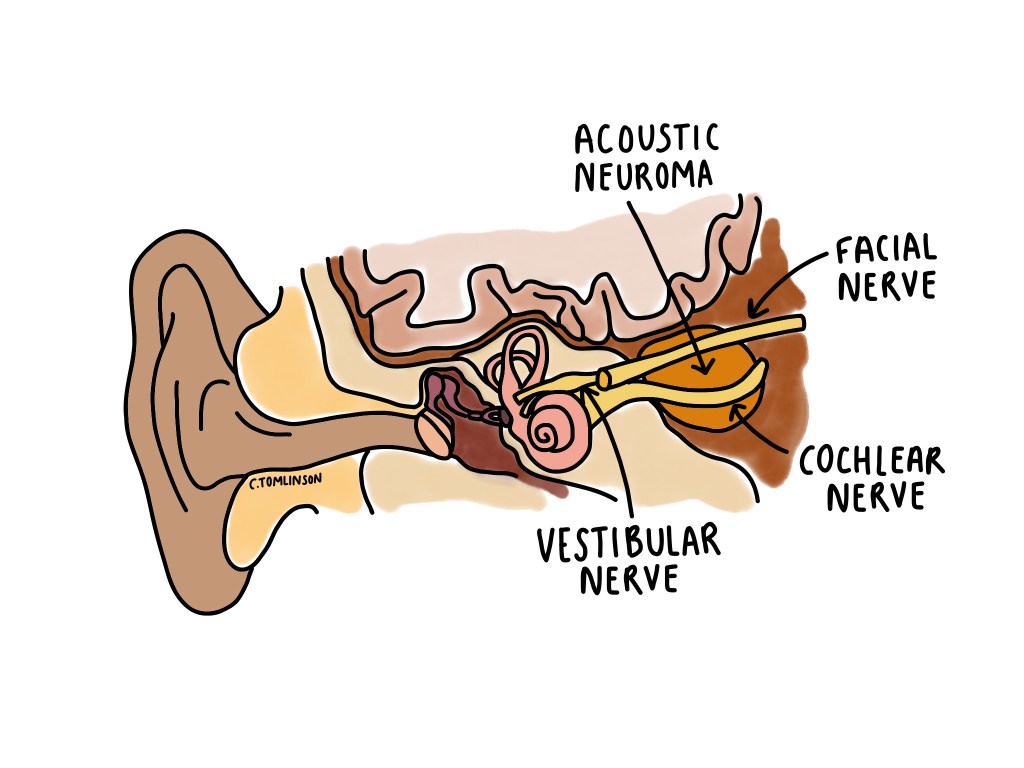
They typically occur on one side, but occasionally they can affect both sides. Bilateral acoustic neuromas are strongly associated with neurofibromatosis type 2 (NF2-related schwannomatosis), a rare genetic condition.
What symptoms can an acoustic neuroma cause?
Symptoms vary depending on the size and location of the tumour, but may include:
- Gradual hearing loss (often affecting one ear)
- Tinnitus (ringing or buzzing in the ear)
- A feeling of fullness or pressure in the affected ear
- Dizziness or problems with balance
- Facial numbness or weakness (more commonly with larger tumours)
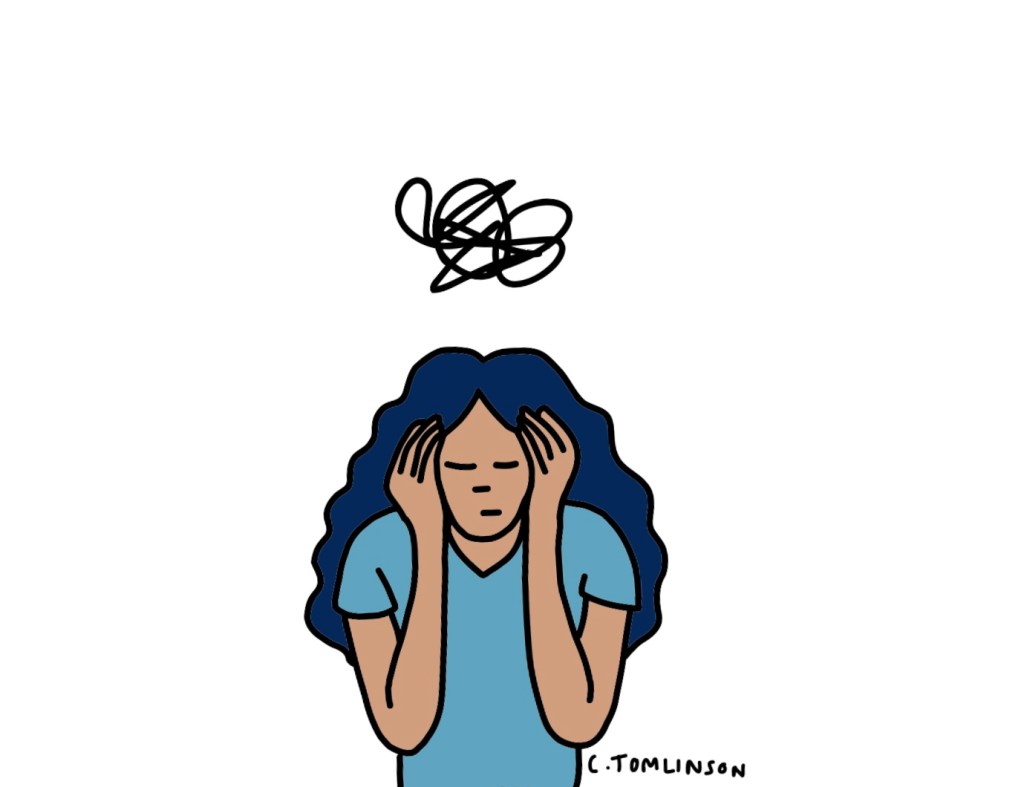
Facial symptoms occur because larger acoustic neuromas can affect nearby cranial nerves, particularly the trigeminal nerve, which provides sensation to the face, and the facial nerve, which controls facial movement. These symptoms usually occur on the same side as the tumour, as cranial nerves generally do not cross over to the opposite side of the body.
How are acoustic neuromas diagnosed?
Because symptoms often involve hearing and balance, investigations frequently begin with a hearing test (audiogram). Acoustic neuromas classically present with an asymmetric sensorineural hearing loss — meaning a hearing loss caused by problems affecting the inner ear (cochlea) or the nerve pathways carrying sound to the brain. This pattern, particularly when combined with symptoms such as unilateral (one-sided) tinnitus or imbalance, can raise suspicion of an acoustic neuroma.
If an acoustic neuroma is suspected, the main investigation is an MRI scan with contrast. This provides detailed images of the nerves and structures around the brain, allowing clinicians to confirm the diagnosis, assess the size and location of the tumour, and monitor any changes over time. Sometimes, small acoustic neuromas are discovered incidentally when imaging is performed for another reason.
For many people, receiving the diagnosis can be overwhelming. The words “brain tumour” can understandably create fear, even when the tumour is described as benign. This is why clear communication and support are such important parts of care.
How are acoustic neuromas treated?
There is no single treatment approach that is right for everyone. Management depends on several factors, including the size and growth rate of the tumour, symptoms, hearing function, overall health and individual preferences.
Active surveillance
For small, slow-growing tumours, particularly when symptoms are mild, clinicians may recommend active surveillance.
This involves regular MRI scans and hearing assessments to monitor whether the tumour changes over time. Not all acoustic neuromas require immediate treatment, and some remain stable for many years without intervention.
Although surveillance avoids the risks associated with treatment, it can still be challenging emotionally. Living with an untreated tumour and waiting for the next scan can create significant uncertainty and anxiety for some people.
Surgery
Surgery aims to remove as much of the tumour as safely possible while preserving important neurological function.
Acoustic neuromas arise in the internal auditory meatus and can grow into the cerebellopontine angle (CPA) — a small but anatomically complex space between the cerebellum (the part of the brain involved in balance and coordination) and the pons (part of the brainstem). This region contains several important structures, including cranial nerves responsible for hearing, balance, facial sensation and facial movement.
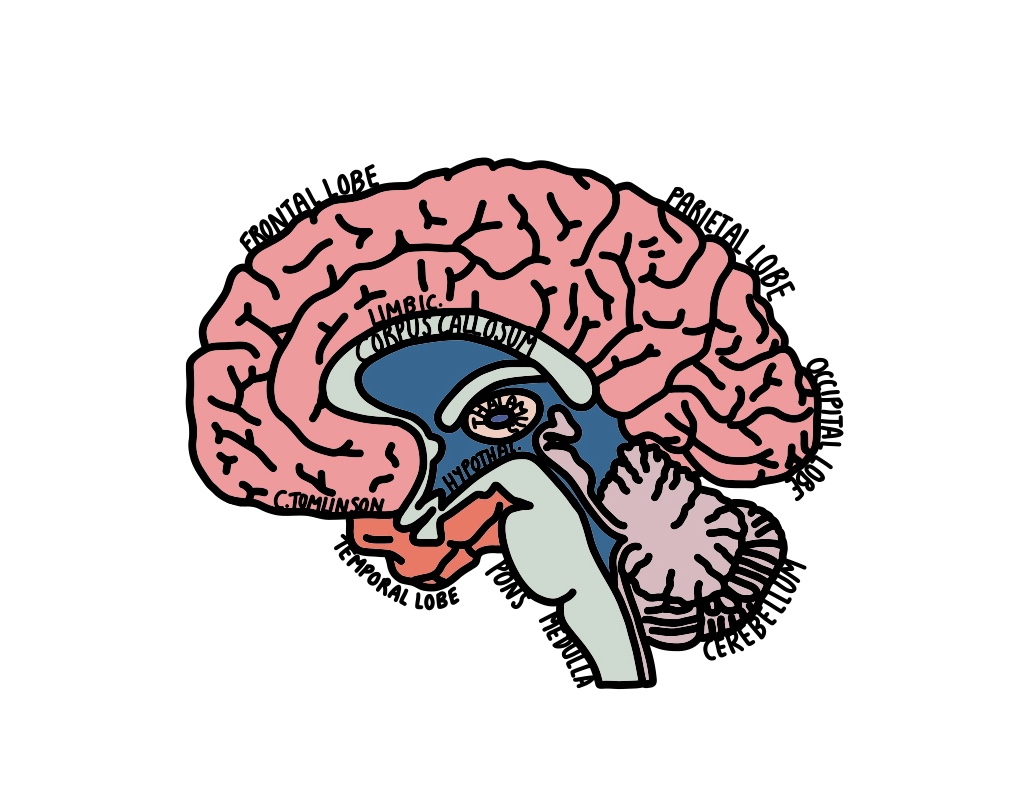
Surgery can be technically challenging as a result, and potential complications can include hearing loss, balance problems and facial nerve injury. Advances in surgical techniques, intraoperative nerve monitoring and specialist care have improved outcomes, but decisions about surgery require careful consideration of the potential benefits and risks.
Stereotactic radiosurgery
Despite its name, stereotactic radiosurgery is not traditional surgery. Instead, it uses highly focused radiation to target the tumour and prevent further growth.
It is often used for smaller tumours, tumours that are growing, or when surgery may carry greater risks. The aim is usually tumour control rather than removal.
Why “benign” doesn’t always mean harmless
One of the biggest misconceptions about acoustic neuromas comes down to a single word: benign.
In medicine, “benign” describes a tumour that is not cancerous and does not spread to other parts of the body. It tells us about how the tumour behaves biologically — but it tells us very little about how it affects the person living with it.
For some people, hearing loss changes the way they communicate with family and friends, and people often find it difficult to hear in noisy social settings. Others find that balance problems make everyday activities much more difficult. Tinnitus can become a constant companion which for some is disabling, and facial weakness or numbness can affect confidence as much as physical function.
In very large tumours, pressure on nearby structures can occasionally lead to more serious complications, including hydrocephalus. This occurs when the tumour interferes with the normal flow or absorption of cerebrospinal fluid (CSF), causing a build-up of fluid within the brain. This can result in symptoms of raised intracranial pressure, such as headaches, nausea, vomiting, drowsiness or changes in cognitive function. If severe and untreated, significant increases in intracranial pressure can become a neurological emergency.
Then there is the emotional side of living with an acoustic neuroma. Whether someone is having regular MRI scans, waiting to see whether the tumour grows, or recovering from surgery, the uncertainty can be incredibly difficult to live with.
So a quick reminder: a condition does not have to be cancerous to be life-changing.
Living with an acoustic neuroma
The experience of living with an acoustic neuroma is different for everyone, too. Some people need little more than regular monitoring, while others face ongoing challenges long after treatment has finished.
Supportive treatments play an important role too, and may involve:
- Hearing rehabilitation and hearing devices
- Vestibular rehabilitation to improve balance and reduce dizziness
- Facial physiotherapy and treatments such as botulinum toxin (Botox®) injections to help manage facial weakness or asymmetry
- Support from specialist teams, including ENT surgeons, neurosurgeons, neurologists and audiologists
Importantly, the impact of an acoustic neuroma is not always visible. Someone may look completely well from the outside while living with hearing loss, dizziness, fatigue, and more, all of which can affect their independence, confidence and quality of life.
Final thoughts
Before writing this article, I realised how often people hear the word benign and assume it means insignificant. I hope this has shown why that’s frequently not the case.
For me, acoustic neuromas will always be more than a medical condition. My mum’s diagnosis has shaped the way I think about medicine: not just understanding the disease itself, but the importance of understanding the person living with it.
Her story, however, is just one of many. Globally, more than 3.4 billion people are living with neurological conditions, affecting everything from movement and communication to memory, independence and quality of life.
This is why World Brain Day is so important. It reminds us that behind every diagnosis is a person with their own symptoms, challenges and journey. Improving neurological health is not only about developing new treatments; it is also about recognising the experiences of those affected, ensuring care is centred around the person rather than just the condition, and making sure everyone has access to the support they need.
Because ultimately, a tumour may be biologically benign — but the impact it has on someone’s life can be anything but.
Support is out there
If you or someone you know has been diagnosed with a brain tumour like an acoustic neuroma, remember that you don’t have to navigate it alone. Here are some organisations and resources that may be helpful:
- The Brain Charity – Provides information, practical advice and emotional support for people living with neurological conditions: https://www.thebraincharity.org.uk/
- British Acoustic Neuroma Association (BANA) – A UK charity dedicated to supporting people affected by acoustic neuromas: https://www.bana-uk.com/
- Brainstrust – Offers personalised support, resources and coaching for anyone affected by a brain tumour: https://brainstrust.org.uk/
I hope you enjoyed our article.
- Had you heard of acoustic neuromas before reading this article?
- Has this changed the way you think about the word “benign” when it comes to medical diagnoses?
- Do you know someone affected by an acoustic neuroma, or another neurological condition?
I’d love to hear from you! Please leave a comment below, and if you found this helpful, please consider sharing it with someone who might benefit from learning more. 💙


Leave a Reply